
 EN
EN



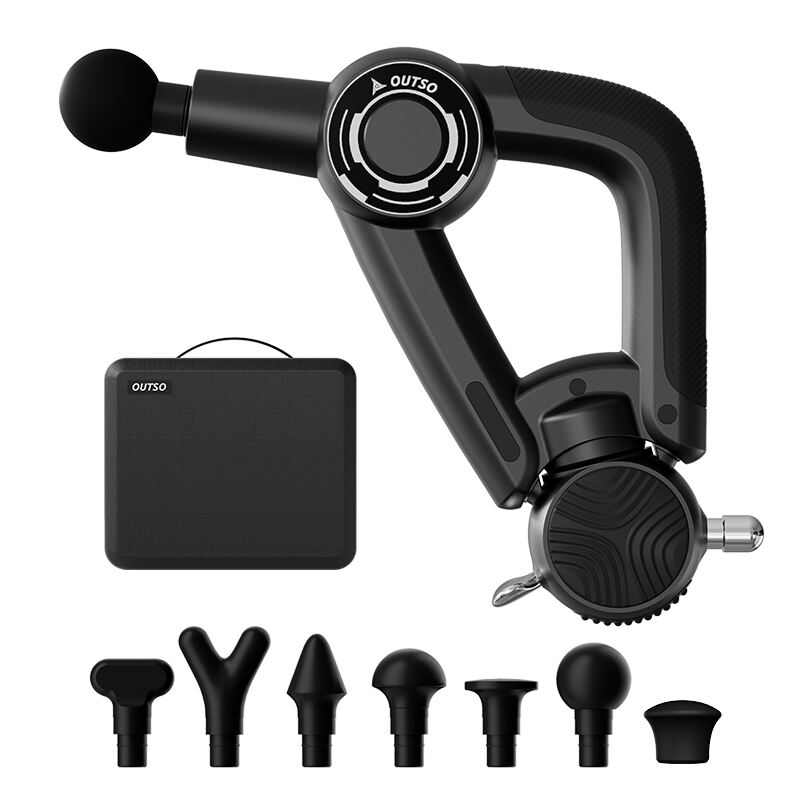
Meeting Sector-Specific Wellness Demands in Spas, Healthcare, and Corporate Environments
People across different fields are finding ways to manage pain through handheld massagers. At spas around the country, massage therapists have started using those thumping percussive models to help muscles recover faster after treatments. According to a recent report from the Wellness Industry (2023), nearly three quarters of spa owners noticed their customers coming back more often once they added these gadgets into their services. Doctors and clinics aren't missing out either, many now prescribe vibrating massagers as part of long term pain management plans, especially when working with patients undergoing physical therapy sessions. Offices have gotten in on the action too, with companies buying heated massagers to tackle employee stress. A study published last year found that offices which provided specialized shoulder and neck massagers saw about 30 percent fewer complaints about upper back discomfort among staff members.
Designing Industry-Tailored Solutions: Bundles for Hospitals, Offices, and Insurance-Backed Programs
B2B customization drives commercial adoption:
- Hospital bundles feature antimicrobial grips and UV sterilization stations to meet infection control standards
- Corporate packages combine ergonomic workstation audits with percussion massagers rated for 15,000+ lifecycles
- Insurance partnerships now cover $120/year massage therapy reimbursements through FSA/HSA programs when paired with prescribed devices
A 2024 workplace wellness survey found 41% of mid-sized companies now include handheld massagers in employee benefit packages, up from 12% in 2020.
Case Study: Successful Integration in Employee Wellness and Preventive Care Initiatives
A manufacturing firm reduced repetitive strain injuries by 38% after implementing a 12-week program combining:
- Biometric screenings identifying high-risk muscle groups
- Scheduled 10-minute percussion sessions during shifts
- Post-work vibration therapy stations
Workers compensation claims dropped by $240k annually, validating the ROI of preventive massage tech according to OSHA-aligned safety audits.
Trend Analysis: Rising Adoption in B2B Health Benefits and Workplace Ergonomics
The corporate wellness market for handheld massagers grew 22% YoY as HR teams prioritize:
- On-site pain management replacing 19% of opioid prescriptions in desk-bound roles
- Shift-work recovery through portable devices with 120-minute battery lives
- Ergonomic compliance meeting OSHA guidelines for high-vibration tool alternatives
62% of HR managers now view these devices as essential for hybrid workforce strategies per Mercer’s 2024 Benefits Survey.
Differentiating Personal and Professional Use of Handheld Massagers
Usage Patterns and Performance Expectations: Home vs. Clinical or Office Settings
Household users typically deploy handheld massagers for 15–20 minute sessions targeting localized tension, while clinical settings require therapeutic protocols involving 40+ minutes of continuous operation. At-home models emphasize intuitive controls and comfort, whereas workplace or healthcare devices incorporate clinical-grade pressure sensors and fatigue-reduction grips built to endure eight-hour daily usage cycles.
Consumer Demand for Self-Care Driving At-Home Adoption
According to a recent 2023 wellness survey, around 7 out of 10 homes have some sort of massage gadget these days. Handheld models are really taking off though, growing faster than anything else because they're easy to carry around and give quick relief when needed. What we're seeing here fits right into what's happening across the whole self-care market worth about 42 billion dollars. People want products that bring spa quality experiences into their living rooms without breaking the bank or requiring a trip to a professional therapist.
Professional Requirements: Durability, Hygiene Standards, and Multi-User Safety Protocols
Commercial-grade models must meet three critical specifications:
- Operational endurance: 500+ hour lifespan under repetitive strain
- Hospital-grade disinfection: IPX6 waterproof ratings and antimicrobial surface treatments
- Compliance certifications: IEC 60601 safety standards for medical electrical equipment
These benchmarks ensure reliable performance in corporate wellness programs and physical therapy clinics where devices serve 50+ users weekly.
Design Innovation and Multi-Functionality for Cross-Industry Utility
Modular Attachments and Ergonomic Design for Neck, Shoulder, Back, and Leg Relief
The modular design of handheld massagers makes them relevant across different industries by tackling specific areas where people experience discomfort. Doctors and therapists can switch out massage heads to work on lower back problems during treatments, whereas companies running workplace wellness programs often grab smaller attachments to relieve neck muscle tightness. These massagers come with special handles inspired by occupational therapy equipment, which helps prevent hand fatigue when someone needs to keep using it for extended periods. Workers in hotels and factories report being able to use these professional models about 25 percent longer than regular consumer versions according to a recent study on workplace comfort published last year.
All-in-One Devices: Expanding Use Cases Through Versatile Functionality
Manufacturers are bringing together heat therapy, vibration functions, and compression features all in one unit so they can work across different settings. Take a high end spa machine for instance it often includes those warm quartz stones plus TENS electrode pads these same components turn out really useful in chiropractors offices too. The whole point of combining these various treatment methods is to cut down on what companies spend on equipment for their wellness programs. One single unit can give employees a chair massage for their neck while someone else gets foot relief standing up right before lunchtime at the office.
Case Study: Market Leaders with Customizable Intensity and Application Modes
One company from the Nordic region saw a huge jump in hospital usage when they brought out special settings designed to help reduce swelling after surgery, along with ready-made plans that fit different types of physical therapy treatments. The way they sell their products works well for businesses too, letting clinics set specific intensity levels but still keeping that important deep oscillation function needed for proper lymphatic drainage. Interestingly enough, this same technology eventually made its way into gyms and fitness centers where it helps people deal with those annoying sore muscles that show up a day or two after intense workouts.
Integration with Wearables and Smart Home Ecosystems
The usefulness of these gadgets keeps growing across different industries when handheld massagers connect with WHOOP bands and Apple Watches to adjust their vibration speed automatically based on heart rate data from moment to moment. Gyms that are getting smart about things are already using this tech to help members recover after workouts, and some hotels have started linking the devices to control lighting and temperature in rooms according to guest preferences. But there's one big catch worth mentioning here: around two thirds of companies buying this equipment insist on strong encryption for all Bluetooth connections. They really care about keeping health information secure, especially when these devices end up in medical facilities where privacy standards need to meet HIPAA requirements.
AI and Smart Technology Enhancing Handheld Massager Effectiveness
IoT-Enabled Devices and Real-Time Biofeedback for Adaptive Pain Relief
The latest handheld massagers come equipped with smart sensors that can tweak the massage intensity according to what they sense from muscles right now. They basically check out how dense and tense the muscles are, switching back and forth between different techniques like pounding, rubbing, and vibrating. Take an office worker with tight shoulders for instance these gadgets will crank up the pressure on those stubborn trapezius muscles first, then ease off once the area starts loosening up. The whole point of this adaptive approach is so people don't have to keep adjusting settings themselves but still get good results whether they're working out, recovering from injury, or just trying to stay comfortable at their desk all day long.
AI Learning User Preferences to Optimize Massage Routines
Smart machines learn from how people actually use them to create recovery plans that fit each person's needs. Once someone has had about three sessions with an AI powered massager, these devices start getting pretty good at figuring out what pressure works best for different areas like shoulders compared to backs. They adjust things like how fast they move and how hard they press depending on what hurts most for each individual. Research from the Parker Institute back in 2023 found that folks who got treatments customized to their body mechanics saw muscles heal around 37 percent quicker. While not everyone will experience exactly those results, many find these smart massage tools helpful whether they're using them at home or in professional healthcare environments.
Predictive Analytics for Proactive Self-Care and Injury Prevention
When smart massage devices look at how often someone gets massaged compared to their wearable activity tracking, they can spot people who might be heading for overuse injuries. Take a construction worker for instance his massager could suggest some targeted forearm treatment once it notices all those repeated hammer swings picked up by the connected smart gear he wears on site. The results speak for themselves too these kinds of proactive measures cut down on missed workdays by around 22 percent according to some initial tests run in manufacturing settings back in 2024 as reported in the Occupational Health Journal.
Addressing Data Privacy and Security in Connected Handheld Massagers
Manufacturers prioritize end-to-end encryption and anonymized data storage to protect sensitive biometric information. Multi-factor authentication prevents unauthorized access to usage histories in corporate wellness programs, while auto-delete functions ensure compliance with healthcare privacy regulations like HIPAA.
Table of Contents
- Meeting Sector-Specific Wellness Demands in Spas, Healthcare, and Corporate Environments
- Designing Industry-Tailored Solutions: Bundles for Hospitals, Offices, and Insurance-Backed Programs
- Case Study: Successful Integration in Employee Wellness and Preventive Care Initiatives
- Trend Analysis: Rising Adoption in B2B Health Benefits and Workplace Ergonomics
- Differentiating Personal and Professional Use of Handheld Massagers
- Design Innovation and Multi-Functionality for Cross-Industry Utility
- AI and Smart Technology Enhancing Handheld Massager Effectiveness