
 EN
EN



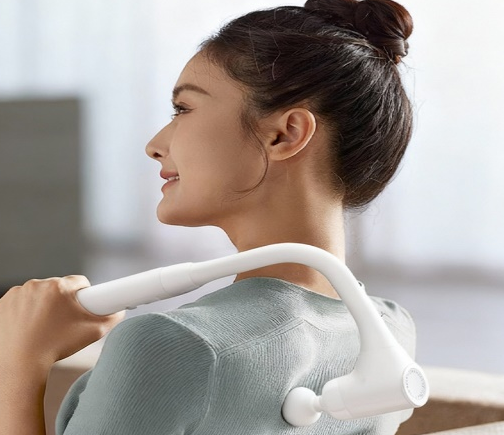
Perché gli acquirenti B2B danno priorità alle soluzioni di massaggiagun personalizzati
Un numero crescente di clienti B2B richiede prodotti su misura per le loro esigenze specifiche, rendendo i massaggiatori personalizzati un vero vantaggio nel mercato affollato del benessere. Quando le aziende abbinano questi dispositivi all'immagine del marchio e alle reali esigenze funzionali dei clienti, trasformano attrezzature generiche in qualcosa di speciale. Pensateci: le imprese possono impostare diversi livelli di intensità per atleti professionisti che necessitano di trattamenti profondi sui tessuti rispetto ai lavoratori d'ufficio alla ricerca di un rapido sollievo dallo stress durante la pausa pranzo. Questo tipo di personalizzazione aiuta a distinguere offerte mediocri da quelle che si contraddistinguono in un mare di prodotti simili.
Questo cambiamento riflette priorità commerciali fondamentali:
- Differenziazione sul Mercato : I dispositivi personalizzati aiutano i brand a distinguersi in mercati saturi
- Efficienza operativa : Le impostazioni preconfigurate riducono i tempi di formazione e migliorano l'adozione da parte degli utenti
- Fedelta dei clienti : Strumenti personalizzati rafforzano la fedeltà e favoriscono ordini ripetuti
- Ottimizzazione del ROI : La personalizzazione in bulk riduce il costo per unità aumentando al contempo il valore percepito
I programmi aziendali per il benessere, ad esempio, traggono vantaggio da unità personalizzate con protocolli di recupero preimpostati su misura per le caratteristiche demografiche dei dipendenti. Le organizzazioni sportive utilizzano dispositivi calibrati progettati per la riabilitazione specifica per lo sport. La personalizzazione semplifica la gestione delle scorte, favorisce un impiego mirato e trasforma attrezzature generiche in un'estensione dell'esperienza di servizio.
Quello che stiamo osservando qui parla davvero tanto riguardo a ciò che i clienti desiderano oggigiorno. I clienti business to business non cercano più semplicemente prodotti; vogliono partner in grado di adattare e modellare le proprie offerte per soddisfare esattamente ciò che funziona meglio per loro. Quando alle aziende servirà qualcosa di diverso domani, disporre di apparecchiature che possono essere modificate sia a livello hardware che software significa risparmiare denaro invece di scartare interi lotti di vecchi dispositivi. Prendiamo ad esempio i produttori di attrezzature per il fitness. Le pistole massaggiatrici sono andate ben oltre il ruolo di semplici rilassanti muscolari. Oggi si integrano in sistemi completi di benessere, in cui i dati degli allenamenti si collegano direttamente ai protocolli di recupero, diventando così componenti essenziali del modo in cui gli atleti si allenano e si riprendono tra una sessione e l'altra.
Opzioni principali di personalizzazione per ordini B2B di pistole massaggiatrici
Gli acquirenti B2B che sfruttano ordini in bulk possono aumentare il valore attraverso personalizzazioni estetiche e funzionali. Queste opzioni colmano il divario tra produzione standardizzata e richieste specifiche del mercato.
Branding ed Estetica: Incisione Logo, Abbinamento Colori e Imballaggio Personalizzato
Il branding superficiale trasforma dispositivi di massa in asset riconoscibili del marchio. Loghi incisi al laser resistono all'uso quotidiano, mentre le scocche abbinate ai colori Pantone garantiscono un allineamento visivo con l'identità aziendale. L'imballaggio personalizzato con inserti brandizzati e materiali sostenibili non solo eleva l'esperienza di apertura, ma comunica anche responsabilità ambientale, rafforzando i valori del marchio al primo contatto.
Personalizzazione Funzionale: Regolazioni Ergonomiche e Profili Prestazionali Basati su Firmware
Oltre all'aspetto estetico, le modifiche funzionali migliorano l'usabilità e la precisione terapeutica. Impugnature sagomate e una distribuzione bilanciata del peso riducono l'affaticamento dell'utente, un aspetto fondamentale per terapisti ed istruttori che utilizzano i dispositivi per periodi prolungati. Miglioramenti basati sul firmware offrono una personalizzazione più approfondita:
- Modalità pre-programmate (ad esempio, "Recupero", "Riscaldamento")
- Integrazione con app abilitata al Bluetooth per impostazioni personalizzate
- Ampiezza e coppia regolabili per trattamenti muscolari mirati
Queste funzionalità intelligenti garantiscono longevità ai dispositivi, permettendo aggiornamenti remoti man mano che i protocolli evolvono, assicurando rilevanza nel tempo senza necessità di sostituire l'hardware.
Come individuare partner affidabili per la produzione su misura di massaggiagun
Scegliere il partner produttivo giusto è fondamentale per consegnare massaggiagun personalizzati di alta qualità e conformi alle normative, su larga scala. È preferibile rivolgersi a OEM o ODM con comprovata esperienza nella produzione di dispositivi per il benessere o di qualità medica, poiché il loro rigore tecnico incide direttamente su sicurezza, prestazioni e tempi di immissione sul mercato.
Valutazione delle capacità OEM/ODM: dai quantitativi minimi d'ordine alle certificazioni di conformità
I principali criteri di valutazione includono:
- Quantità Minime di Ordine (QMIs): Le soglie standard vanno da 500 a 1.000 unità per la personalizzazione completa. Cercate partner che offrano una produzione scalabile allineata alle previsioni della domanda per evitare eccedenze di magazzino.
- Certificazioni di conformità: Verificate credenziali essenziali come CE (sicurezza elettrica), FCC (EMC) e RoHS (restrizioni su sostanze pericolose). Per una maggiore affidabilità, preferite produttori con certificazione ISO 13485, che indica l'adesione agli standard di gestione qualità per dispositivi medici.
Affiancate alla revisione della documentazione audit in fabbrica e test sui prototipi. I partner che forniscono rapporti sui campioni per lotto e dati sui test di resistenza possono ridurre i tassi di difetto fino al 40% (Quality Digest 2023). Formalizzate sempre la protezione della proprietà intellettuale nei contratti per tutelare progetti personalizzati e firmware.
Ampliamento dell'evasione degli ordini per massaggiatori personalizzati: logistica, tempi di consegna e ROI
Per gestire in modo efficiente l'evasione degli ordini è necessaria una coordinazione tra produzione, logistica e pianificazione finanziaria. I tempi di consegna sono solitamente compresi tra 4 e 12 settimane, influenzati dall'approvvigionamento dei materiali, dalle modifiche degli stampi e dalla validazione della conformità. Riduci i ritardi adottando una produzione per fasi e mantenendo scorte di sicurezza per i componenti ad alto utilizzo.
La collaborazione con fornitori di servizi logistici terzi (3PL) può ridurre i costi di spedizione e stoccaggio del 18-30% per ordini in grandi quantità, secondo le analisi della catena di approvvigionamento del 2023. Queste partnership migliorano la velocità di consegna e la copertura geografica, riducendo al contempo i costi operativi.
Per la valutazione del ROI, considera il seguente modello a livelli:
| Livello di personalizzazione | Aumento medio del costo di produzione | Potenziale di prezzo premium | Timeline di parità di prezzo |
|---|---|---|---|
| Branding base | 5-8% | 15-20% | 3-5 mesi |
| Modifiche prestazionali | 12-18% | 25-35% | 5-8 mesi |
| Personalizzazione Completa | 20-30% | 40-60% | 8-12 mesi |
Le aziende che allineano i volumi degli ordini alle previsioni della domanda ottengono rendimenti migliori, con il 65% dei fornitori B2B del settore benessere che raggiunge un ROI positivo entro 10 mesi adottando la produzione just-in-time. La personalizzazione strategica aumenta la fidelizzazione dei clienti del 22% (B2B Wellness Trends Report 2024), trasformando gli investimenti iniziali in ricavi ricorrenti grazie a relazioni durature con i clienti.
Indice
- Perché gli acquirenti B2B danno priorità alle soluzioni di massaggiagun personalizzati
- Opzioni principali di personalizzazione per ordini B2B di pistole massaggiatrici
- Come individuare partner affidabili per la produzione su misura di massaggiagun
- Ampliamento dell'evasione degli ordini per massaggiatori personalizzati: logistica, tempi di consegna e ROI