
 EN
EN



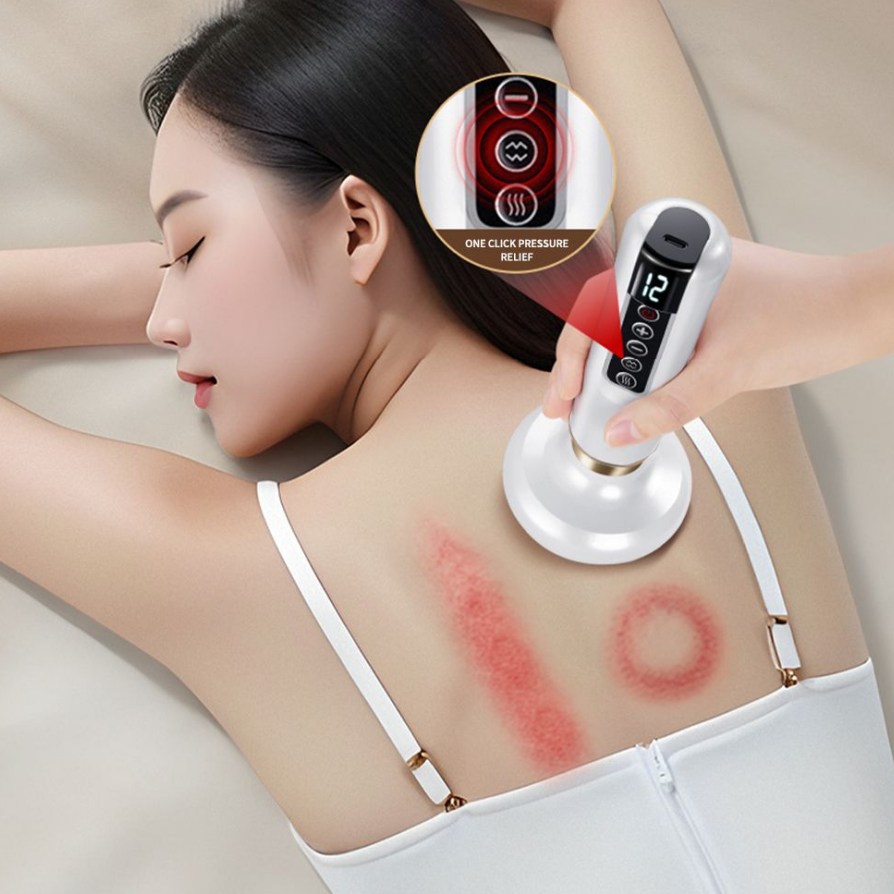
Tại Sao Việc Tuân Thủ Các Yêu Cầu OEM Đối Với Máy Massage Là Bắt Buộc Trong Thị Trường Y Tế Và Sức Khỏe
Cấp phép Thiết Bị Loại II Theo FDA và Chứng Nhận ISO 13485: Những Yêu Cầu Cốt Lõi Đối Với Các Dự Án OEM Máy Massage
Việc đảm bảo đạt được các phê duyệt quy định ngay từ giai đoạn đầu là hoàn toàn then chốt khi phát triển các thiết bị mát-xa dành cho mục đích y tế. Để được FDA cấp chứng nhận lớp II, các công ty cần tiến hành các bài kiểm tra an toàn nghiêm ngặt đối với sản phẩm của mình, bởi những thiết bị này thực tế tiếp xúc trực tiếp với cơ thể người. Đồng thời, tiêu chuẩn ISO 13485 cũng không chỉ đơn thuần là thủ tục giấy tờ — tiêu chuẩn này đòi hỏi hệ thống kiểm soát chất lượng vững chắc trong suốt mọi bước của quá trình sản xuất. Các quy định bao quát toàn bộ khía cạnh, từ việc đảm bảo vật liệu sử dụng không gây phản ứng dị ứng đến duy trì tính nhất quán trong quy trình sản xuất và truy xuất nguồn gốc của tất cả các linh kiện. Việc không đáp ứng đầy đủ các tiêu chuẩn này có thể dẫn đến việc sản phẩm bị thu hồi khỏi thị trường một cách nhanh chóng. Theo một nghiên cứu gần đây, gần một phần ba tổng số lần thu hồi thiết bị y tế xảy ra do hồ sơ tài liệu không đầy đủ trong các cuộc thanh tra của FDA. Chính vì vậy, các nhà sản xuất thông minh thường tích hợp sẵn yêu cầu tuân thủ pháp lý ngay vào giai đoạn mẫu thử nghiệm ban đầu, thay vì cố gắng bổ sung sau này — điều này giúp tiết kiệm đáng kể cả thời gian lẫn chi phí về sau khi phát sinh sự cố.
Tác động thực tế: Làm thế nào những sai lầm về quy định trì hoãn việc ra mắt và vô hiệu hóa IP
Cắt giảm chi phí hoặc bỏ qua các quy định thường dẫn đến những vấn đề nghiêm trọng về sau. Chẳng hạn như tình huống năm ngoái, khi một công ty vội vàng đưa ra thị trường thiết bị mát-xa trị liệu mà chưa nhận được sự chấp thuận của Cục Quản lý Thực phẩm và Dược phẩm Hoa Kỳ (FDA). Sản phẩm buộc phải thu hồi khỏi kệ hàng, làm chậm tiến độ thâm nhập thị trường của công ty gần chín tháng, gây thiệt hại khoảng hai triệu đô la Mỹ do doanh số bán hàng sụt giảm, và cuối cùng dẫn đến việc bằng sáng chế của họ bị bác bỏ vì thiết kế không đáp ứng các tiêu chuẩn quy định. Khi sản phẩm không tuân thủ đúng các quy định, các công ty khác từng tranh tụng tại tòa án để phản đối những bằng sáng chế đó bằng cách nêu bật các vi phạm về tuân thủ, đôi khi còn làm lộ thông tin bí mật trong quá trình này. Theo thống kê ngành, các thiết bị bỏ qua khâu kiểm tra tuân thủ đầy đủ có tỷ lệ liên quan đến các tranh chấp sở hữu trí tuệ cao hơn khoảng 40% so với các thiết bị tuân thủ đúng quy định, theo nghiên cứu của Viện Ponemon năm 2023. Các công ty tập trung vào việc thực hiện đúng ngay từ đầu sẽ tiết kiệm thời gian và bảo vệ hiệu quả các phát minh quý giá của mình trong dài hạn.
Cách chọn nhà sản xuất gia công thiết bị mát-xa đảm bảo kiểm soát OEM
Quyền sở hữu khuôn mẫu, sở hữu trí tuệ phần mềm nhúng (firmware) và thực thi thỏa thuận bảo mật (NDA): Bảo vệ tài sản thương hiệu thiết bị mát-xa của bạn
Việc kiểm soát các khuôn và dụng cụ sản xuất giúp các công ty có khả năng chuyển đổi nhà sản xuất khi cần thiết mà không phải chi thêm tiền cho công việc thiết kế lại. Sở hữu trí tuệ (IP) về firmware cần thuộc về chính công ty, thay vì thuộc về bên sản xuất sản phẩm; nếu không, sẽ tồn tại rủi ro thực tế là một số bên có thể sao chép những tính năng đặc biệt như cách thức hoạt động của cảm biến áp suất hoặc phương thức xử lý kết nối Bluetooth. Các thỏa thuận bảo mật (NDA) cần bao quát toàn bộ mọi khía cạnh, từ thông số kỹ thuật sản phẩm đến cả kết quả thử nghiệm. Hợp đồng yếu kém có thể dẫn đến rò rỉ thông tin, thậm chí khiến các bằng sáng chế trở nên vô giá trị về sau. Để duy trì quyền kiểm soát, doanh nghiệp cần yêu cầu rõ ràng hồ sơ ghi nhận chủ sở hữu từng loại IP, thiết lập quy định về nơi lưu trữ cả dụng cụ vật lý lẫn tập tin kỹ thuật số, đồng thời xác định rõ hậu quả nếu bất kỳ bên nào vi phạm các quy tắc bảo mật này.
Năng lực sản xuất linh hoạt: Từ giai đoạn tạo mẫu với 500 đơn vị đến triển khai hàng loạt hơn 50.000 thiết bị mát-xa một cách liền mạch
Khi đánh giá các nhà sản xuất, hãy xác minh năng lực sản xuất đã được chứng nhận để mở rộng quy mô từ lô thử nghiệm gồm 500 đơn vị lên quy mô sản xuất hàng loạt vượt quá 50.000+ đơn vị, đồng thời duy trì tính nhất quán về chất lượng — khoảng cách này là nguyên nhân khiến 37% sản phẩm công nghệ y tế không thể ra mắt đúng hạn (MedTech Dive, 2023). Đánh giá khả năng phục hồi của chuỗi cung ứng đa cấp của họ thông qua:
| Giai đoạn Mở rộng Quy mô | Các điểm kiểm tra quan trọng |
|---|---|
| Tạo mẫu | Tính linh hoạt trong việc tìm nguồn cung vật liệu, các vòng lặp thiết kế nhanh chóng |
| Khối lượng trung bình | Tự động hóa kiểm soát chất lượng, dây chuyền lắp ráp đã được FDA kiểm toán |
| Lượng lớn | Tỷ lệ giao hàng đúng hạn, diện tích kho bãi |
Yêu cầu bằng chứng về các quy trình dự phòng năng lực sản xuất tăng đột biến như tồn kho linh kiện dự phòng và dây chuyền sản xuất mô-đun. Tránh các nhà sản xuất yêu cầu sử dụng cơ sở riêng biệt cho lô nhỏ và lô lớn — quy trình làm việc tích hợp giúp ngăn ngừa chậm trễ do phải điều chỉnh lại thiết bị khi sản lượng tăng đột biến.
Từ Ý Tưởng đến Máy Massage Đã Được Chứng Nhận: Quy Trình Phát Triển OEM Từ Đầu Đến Cuối
Tích hợp sinh trắc học và phần mềm điều khiển bằng ứng dụng: Thiết kế các tính năng máy mát-xa thông minh với khả năng tuân thủ các quy định hiện hành.
Khi các nhà sản xuất muốn biến các thiết bị mát-xa thông thường thành các thiết bị trị liệu thông minh, họ cần cân nhắc yếu tố tuân thủ ngay từ ngày đầu tiên. Đối với các thiết bị đạt tiêu chuẩn y tế như máy đo nồng độ oxy trong máu (pulse oximeters) hoặc cảm biến điện cơ đồ thị (EMG), việc xác nhận tính hợp lệ theo tiêu chuẩn ISO 13485 không phải là lựa chọn — mà là bắt buộc trước khi bất kỳ ai có thể nghĩ đến việc tích hợp những thiết bị này vào sản phẩm. Điều tương tự cũng áp dụng đối với phần mềm điều khiển Bluetooth. Nếu thiết bị xử lý bất kỳ thông tin sức khỏe được bảo vệ nào, thì chức năng mã hóa đầu cuối (end-to-end encryption) phải được tích hợp ngay từ giai đoạn thiết kế ban đầu; nếu không, quy định HIPAA sẽ phản đối mạnh mẽ. Các công ty thông minh thực tế lên kế hoạch trước bằng cách tiến hành phân tích các mô thức thất bại (failure mode analyses) ngay trong quá trình thiết kế kiến trúc phần mềm điều khiển (firmware architecture). Họ gửi các mẫu thử nghiệm (prototypes) đến các phòng thí nghiệm độc lập để kiểm tra độ chính xác của cảm biến ngay từ giai đoạn alpha. Và cũng đừng quên cả các bản cập nhật qua mạng (OTA updates) — những bản cập nhật này đòi hỏi hồ sơ tài liệu tuân thủ FDA lớp II đầy đủ xuyên suốt toàn bộ quá trình phát triển. Theo một nghiên cứu được công bố năm ngoái trên Tạp chí Quy định Thiết bị Y tế (Journal of Medical Device Regulation), tư duy đặt yếu tố tuân thủ lên hàng đầu như vậy giúp giảm khoảng hai phần ba thời gian chậm trễ do quy định gây ra, so với việc chờ đợi đến khi các vấn đề phát sinh ở giai đoạn sau.
Hợp tác thiết kế cùng các đội ngũ liên chức năng: Đồng bộ hóa Thiết kế công nghiệp, Điện tử và Kiểm định lâm sàng để đạt thành công với nhà sản xuất thiết bị mát-xa theo đơn đặt hàng (OEM)
Việc phát triển các thiết bị mát-xa y tế đòi hỏi sự phối hợp chặt chẽ ngay từ giai đoạn đầu giữa các nhà thiết kế công nghiệp, kỹ sư điện tử và chuyên gia chăm sóc sức khỏe. Đội thiết kế tập trung tạo ra những hình dáng thoải mái, đồng thời giải quyết các vấn đề về tản nhiệt do đội điện tử phát hiện; trong khi các bác sĩ và chuyên viên vật lý trị liệu xác định các tiêu chí về độ an toàn và hiệu quả điều trị đối với bệnh nhân trong quá trình thử nghiệm. Khi ba nhóm này làm việc cùng nhau ngay từ đầu, họ có thể xử lý những thách thức lớn trước khi chúng trở thành rào cản. Ví dụ điển hình là việc xác định cường độ rung phù hợp sao cho không làm hao pin quá nhanh, nhưng vẫn đảm bảo mang lại hiệu quả điều trị thực tế. Các đội thường tổ chức các đợt làm việc ngắn, tập trung xuyên phòng ban nhằm đẩy nhanh tiến độ triển khai.
| Giai đoạn tích hợp | Trọng tâm đồng bộ hóa chính | Rủi ro được giảm thiểu |
|---|---|---|
| Xác nhận ý tưởng | Tính tương thích sinh học của vật liệu và yêu cầu về nguồn điện | giảm 35% số lần mẫu thử bị loại bỏ |
| Trước khi được cấp chứng nhận | Đồng bộ hóa tài liệu cho các hồ sơ nộp lên FDA | rút ngắn 4 tháng thời gian phê duyệt |
| Sản xuất thử nghiệm | Độ dung sai sản xuất so với độ dung sai lâm sàng | tỷ lệ tuân thủ ngay từ lô đầu tiên đạt 90% |
Các buổi rà soát chung định kỳ duy trì sự thống nhất giữa các chuyên ngành—đảm bảo tính thẩm mỹ công nghiệp không làm xói mòn các khoảng an toàn điện tử và các tuyên bố lâm sàng vẫn được chứng minh đầy đủ. Quy trình làm việc được điều phối này giúp giảm 50% thời gian để đạt chứng nhận so với các mô hình phát triển biệt lập.
Câu hỏi thường gặp
Câu hỏi: Vì sao việc được FDA cấp phép nhóm II là điều kiện thiết yếu đối với các nhà sản xuất thiết bị mát-xa theo đơn đặt hàng (OEM)?
Trả lời: Việc được FDA cấp phép nhóm II đảm bảo tính an toàn và hiệu quả của các thiết bị mát-xa tiếp xúc trực tiếp với cơ thể, từ đó xác minh rằng chúng đáp ứng đầy đủ các tiêu chuẩn về sức khỏe và an toàn cần thiết.
Câu hỏi: Những sai sót trong tuân thủ quy định có thể ảnh hưởng như thế nào đến việc ra mắt sản phẩm?
Trả lời: Những sai sót trong tuân thủ quy định có thể làm chậm tiến độ ra mắt sản phẩm và vô hiệu hóa sở hữu trí tuệ nếu không đáp ứng đúng các tiêu chuẩn, dẫn đến thu hồi sản phẩm và tổn thất tài chính.
Câu hỏi: Một doanh nghiệp nên tìm kiếm những tiêu chí nào ở một nhà sản xuất gia công thiết bị mát-xa?
A: Các công ty nên tìm kiếm quyền sở hữu công cụ, thực thi NDA mạnh mẽ và khả năng sản xuất có thể mở rộng để bảo vệ tài sản thương hiệu và đáp ứng nhu cầu một cách hiệu quả.
Hỏi: Lưu lượng công việc phát triển OEM được cấu trúc như thế nào?
A: Luồng công việc bao gồm tích hợp tuân thủ ngay từ đầu, phù hợp thiết kế với kỹ thuật và xác thực lâm sàng và duy trì chất lượng nhất quán trên các quy mô sản xuất.
Mục lục
- Tại Sao Việc Tuân Thủ Các Yêu Cầu OEM Đối Với Máy Massage Là Bắt Buộc Trong Thị Trường Y Tế Và Sức Khỏe
- Cách chọn nhà sản xuất gia công thiết bị mát-xa đảm bảo kiểm soát OEM
-
Từ Ý Tưởng đến Máy Massage Đã Được Chứng Nhận: Quy Trình Phát Triển OEM Từ Đầu Đến Cuối
- Tích hợp sinh trắc học và phần mềm điều khiển bằng ứng dụng: Thiết kế các tính năng máy mát-xa thông minh với khả năng tuân thủ các quy định hiện hành.
- Hợp tác thiết kế cùng các đội ngũ liên chức năng: Đồng bộ hóa Thiết kế công nghiệp, Điện tử và Kiểm định lâm sàng để đạt thành công với nhà sản xuất thiết bị mát-xa theo đơn đặt hàng (OEM)
- Câu hỏi thường gặp