
 EN
EN



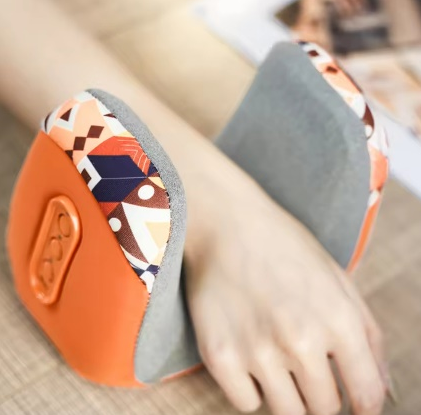
How Air Compression Technology Delivers Targeted Hand Recovery for Office Workers
The Physiology of Sequential Air Compression: Mimicking Therapeutic Manual Pressure
Air compression hand massagers replicate clinical massage techniques through intelligent, wave-like pressure sequencing. Inflatable chambers engage the hand in a distal-to-proximal pattern—starting at the fingertips and progressing toward the wrist—applying calibrated pressure between 30–80 mmHg. This dynamic sequence mirrors three evidence-based manual therapy actions:
- Effleurage: Gliding pressure enhances venous return
- Petrissage: Rhythmic kneading helps release fascial tension
- Myofascial release: Sustained compression alleviates trigger points in intrinsic hand muscles
The resulting “milking effect” boosts lymphatic drainage by 40% compared to static compression (Physical Therapy Journal, 2022), specifically targeting high-stress zones common among sedentary workers—the thenar eminence, interossei, and flexor tendons—without disrupting workflow or requiring workstation reconfiguration.
Evidence-Based Boost in Microcirculation and Tissue Oxygenation in the Hands
Office professionals using air compression during short breaks show measurable improvements in hand perfusion and oxygenation. A controlled study found 27% higher capillary blood flow velocity and 15% increased tissue oxygen saturation (SpO₂) post-treatment (Journal of Occupational Rehabilitation, 2023). These gains stem from three key mechanisms:
| Physiological Effect | Outcome for Keyboard Users |
|---|---|
| Vasodilation | 40% faster lactic acid clearance |
| Enhanced RBC velocity | Reduced finger stiffness |
| Improved endothelial function | Prevention of early-stage RSI |
This microcirculatory surge directly counteracts ischemia caused by sustained typing postures. Users report 68% faster resolution of hand numbness during extended computer sessions—supporting uninterrupted focus and task continuity.
Addressing the Epidemic of Hand Fatigue in Keyboard-Intensive Roles
Prevalence and Impact: Hand Stiffness, Fatigue, and Early RSI Among Office Professionals
People who spend most of their day typing often suffer from hand fatigue. According to a study published by Occupational Health Review last year, around 7 out of 10 data entry workers report feeling stiff hands and weaker grip strength every single day. When fingers hit those keys repeatedly, it causes tiny injuries that build up over time in the wrist tendons and nearby soft tissues. This gradual damage speeds up the development of repetitive strain issues like inflamed tendons and early signs of carpal tunnel syndrome. These problems don't just appear overnight like a broken bone would. Instead they creep in slowly, making it harder to perform precise tasks with small movements. If nothing changes, the constant pressure on these tissues eventually wears them down, which makes future injuries much more likely down the road.
Productivity, Focus, and Absenteeism: The Real Cost of Untreated Hand Discomfort
When hands get tired, performance drops fast. Workers who feel some discomfort take around 17% extra time on keyboard-heavy jobs and find their minds wandering 23% more often according to research from the Journal of Occupational Ergonomics last year. People with ongoing pain tend to take random breaks throughout the day even though they're still at their desks, which means their brain power gets drained without anyone noticing. Companies lose about 8.7 days of work each year for every employee suffering from serious RSI issues. Getting ahead of this problem with good ergo gear such as air compression tech can stop the whole hand fatigue cycle before it turns into something worse. These tools help maintain workers' physical abilities while keeping productivity levels stable across departments.
Air Compression as a Dual-Action Wellness Intervention: Physical Relief + Stress Resilience
Air compression delivers clinically meaningful benefits beyond symptomatic relief. For keyboard-intensive professionals, it functions as a dual-action modality—simultaneously supporting tissue recovery and nervous system regulation.
Mechanical Support for Early-Stage Carpal Tunnel and Tendon Inflammation
When applied properly, graduated compression works wonders for improving local blood flow and cutting down on those pesky inflammatory markers that contribute so much to early stage repetitive strain injuries like carpal tunnel and flexor tendonitis. The process basically speeds up removal of metabolic waste from the area while at the same time bringing fresh nutrients to tissues under stress. People who stick with this treatment regularly tend to experience less pain overall and their symptoms don't get worse as quickly. Plus they can keep working through most of their day without major interruptions, which makes it pretty practical for office workers and others dealing with daily hand strain.
Rhythmic Pressure Triggers Parasympathetic Activation for Mental Reset
When air compression follows a regular, rhythmic pattern, it sends signals to our body that help switch the nervous system from high alert mode ("fight or flight") to relaxed state (rest and digest). Research indicates these sessions can cut down cortisol levels somewhere between 15% to maybe even 30% while also helping the brain produce more serotonin. What happens next is pretty remarkable: the whole brain gets a kind of reboot. People report feeling less mentally drained after, their focus improves, and they actually make better decisions during stressful situations. That's why many see these recovery sessions not just as downtime but rather as something worth investing time in for both body strength and mind clarity.
Seamless Integration into the Modern Workplace: Design, Portability, and Workflow Fit
Modern air compression hand massagers are engineered for frictionless adoption within today's dynamic work environments—blending clinical efficacy with ergonomic pragmatism.
- Space-conscious design: Slim profiles and ultra-quiet operation (<45 dB) allow discreet placement beside keyboards—even during deep-focus work
- Ultra-portable construction: Most units weigh under 1.5 pounds, feature USB-C charging, and transition effortlessly between desks, conference rooms, and home offices
- Workflow-aligned functionality: Pre-programmed 5–15 minute cycles sync naturally with standard productivity breaks—requiring zero setup and delivering targeted recovery without interrupting flow
This intentional design transforms therapeutic intervention into habitual micro-recovery. Unlike traditional wellness equipment demanding dedicated space or scheduling, air compression devices operate as proactive maintenance tools—embedded seamlessly into existing routines. Their cordless operation and rapid charge times further ensure reliability across hybrid, remote, and open-plan settings.
Table of Contents
- How Air Compression Technology Delivers Targeted Hand Recovery for Office Workers
- Addressing the Epidemic of Hand Fatigue in Keyboard-Intensive Roles
- Air Compression as a Dual-Action Wellness Intervention: Physical Relief + Stress Resilience
- Seamless Integration into the Modern Workplace: Design, Portability, and Workflow Fit