
 EN
EN



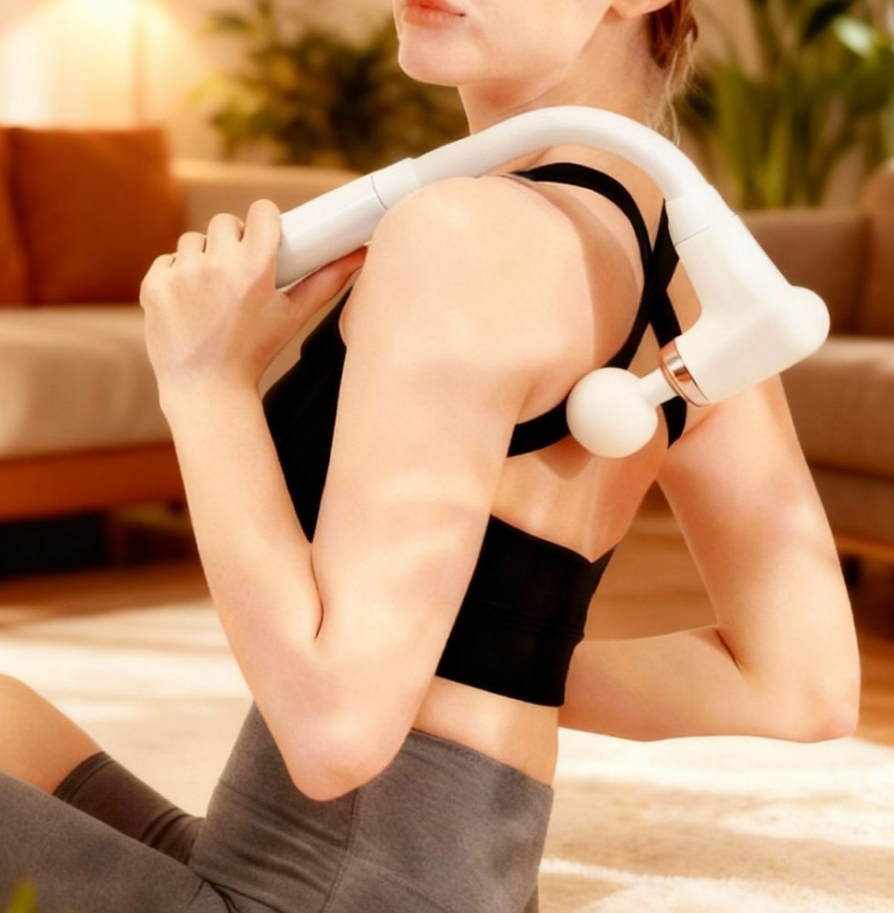
Ergonomic Design: The Foundation of True Usability
Handle shape, weight distribution, and grip texture for effortless self-application across hard-to-reach areas
Good handheld massagers usually have three key design elements that make them comfortable to use: the way the handle curves in the hand, how the weight feels when holding it, and the texture of the grip area. The curved shapes actually match how most people naturally hold their hands, which helps keep wrists from getting sore after reaching up high on the back or down low on the shoulders. What matters more than just being light is how evenly the massager balances in the hand. Testing by independent labs in 2024 showed that models between about 1.2 and 1.8 pounds work best for staying steady without tiring the user out during those 15 minute sessions everyone needs sometimes. Those rubbery textured grips really matter too, particularly for folks who struggle with stiff joints or weak grip strength from age or injury. When all these aspects come together properly, what used to be a frustrating experience trying to reach those hard spots along the spine or back of the legs becomes something much easier to manage without constantly adjusting position or losing control mid session.
Why stall force stability matters more than raw lightness – balancing portability with effective muscle engagement
Manufacturers love talking about how light their devices are, but what really matters for getting results is something called stall force stability. This basically means how well the tool keeps going at the same depth even when pushed hard against muscle tissue. Recent testing in labs back in 2024 showed that gadgets able to handle around 25 pounds of pressure managed to reach tissues about 30% deeper compared to those flimsier lightweight versions that tend to buckle or stop working altogether. For folks targeting tough areas like glutes or calves, this kind of stability makes all the difference between effective treatment and wasted effort. Devices weighing somewhere between 1.5 to 2 pounds feel just right in most hands. Combine that weight with motors engineered to minimize vibrations, and users get both portability and dependable performance needed for working through those stubborn knots deep in the muscles.
Adjustable Performance: Matching Intensity and Technique to User Needs
Power levels, stroke depth control, and sensitivity-friendly ramping for beginners and recovery-focused users
What makes today's handheld massagers stand out is their adaptability. Most come with graduated power settings and adjustable stroke depths so people can customize their massage experience just right. Some folks prefer starting slow with gentle pressure while others need stronger percussion after working out. According to recent lab tests between 2023 and 2024, the best models on the market now have at least 15 different intensity levels plus some kind of tactile feedback system. These devices smoothly transition from light relaxation around 2,000 RPM up to deeper muscle work past 3,200 RPM. The ability to fine tune these settings helps target specific areas without going overboard when dealing with sore spots or recovering muscles.
Percussion vs. vibration vs. heat therapy: Usability trade-offs in handheld massager functionality
Each modality serves distinct functional roles–and presents clear ergonomic trade-offs:
| Feature | Percussion | Vibration | Heat Therapy |
|---|---|---|---|
| Best For | Chronic muscle stiffness | Surface relaxation | Blood flow stimulation |
| Pressure Depth | Up to 1.2 inches | ≈0.6 inches | N/A |
| Usability | Requires firmer grip | One-handed operation | Minimal exertion |
| Limitations | Noise levels (≤60 dB) | Limited penetration | Delayed effect (2–3 min) |
Percussion excels in myofascial release but demands greater user stability; vibration prioritizes ease and mobility; heat enhances comfort and circulation but increases battery load. Choose based on primary use case: precision (percussion), convenience (vibration), or restorative support (heat).
Portability and Power Reliability: Real-World Convenience for Daily Use
Battery life realism: Verified runtime (per 2023–2024 independent tests) versus marketing claims
Tests done by independent labs keep showing there's usually around a 25 to 40 percent difference between what manufacturers claim and what actually happens with battery life on those handheld massagers. Take some models for example they only last about 65 minutes when used normally, even though ads promise full 90 minute sessions. This kind of discrepancy really matters when someone needs consistent performance while traveling or working through different body areas. Looking at how long these devices really last isn't just about checking numbers from the box. People should look for results from outside testers instead of relying solely on company claims. What makes a massager reliable? Well, certain factors stand out as important markers...
- Test methodology: Look for assessments simulating real usage–pressure application, heat activation, and variable intensity cycling
- Capacity transparency: Brands disclosing mAh ratings and rated charge cycles (e.g., ≤300 cycles at ≤80% capacity) signal engineering rigor
- Degradation resilience: High-performing units retain ≤80% battery capacity after 300+ full charges
Verified runtime isn’t just about convenience–it’s foundational to sustained, effective muscle recovery.
Intuitive Interface and Smart Features That Reduce the Learning Curve
Attachment compatibility, one-touch controls, and visual/tactile feedback in premium handheld massager models
High quality hand held massagers make life easier for people because they're designed to be simple to use. The attachments snap on and off really fast without needing any tools at all. No more fighting with alignment guides or twisting them into place. Switch between different heads for the neck and wider back areas in seconds flat. Most models now have buttons that do everything with just one press instead of digging through complicated menus. This means someone can tweak the strength or switch modes without having to lift the massager away from sore spots. When settings change, there are vibrations plus lights that glow different colors so everyone knows what's happening right away. These signals matter a lot for seniors or anyone dealing with fresh injuries who might not see well or react quickly. Companies focused on making things clear rather than complex report better results too. People pick these up faster and stick with their routines longer. Studies from last year showed around 40 percent fewer people gave up on their sessions compared to older models.
Frequently Asked Questions
What features should I look for in a handheld massager for personal use?
Look for ergonomic designs with comfortable handle shapes, even weight distribution, and textured grips. Key performance features include adjustable power levels, durability under pressure, and reliable battery life.
How does percussion therapy compare with vibration and heat therapy in massagers?
Percussion therapy is best for deep tissue massage but can be noisier and require firmer pressure. Vibration is better for gentle relaxation and ease of use, while heat therapy stimulates blood flow but may add to battery demand.
Why is there a difference between advertised and actual battery life of massagers?
Manufacturers may overestimate battery life, so independent test results often reveal actual usage times, which can be shorter than advertised. It's crucial to check independent reviews to understand real-world performance.