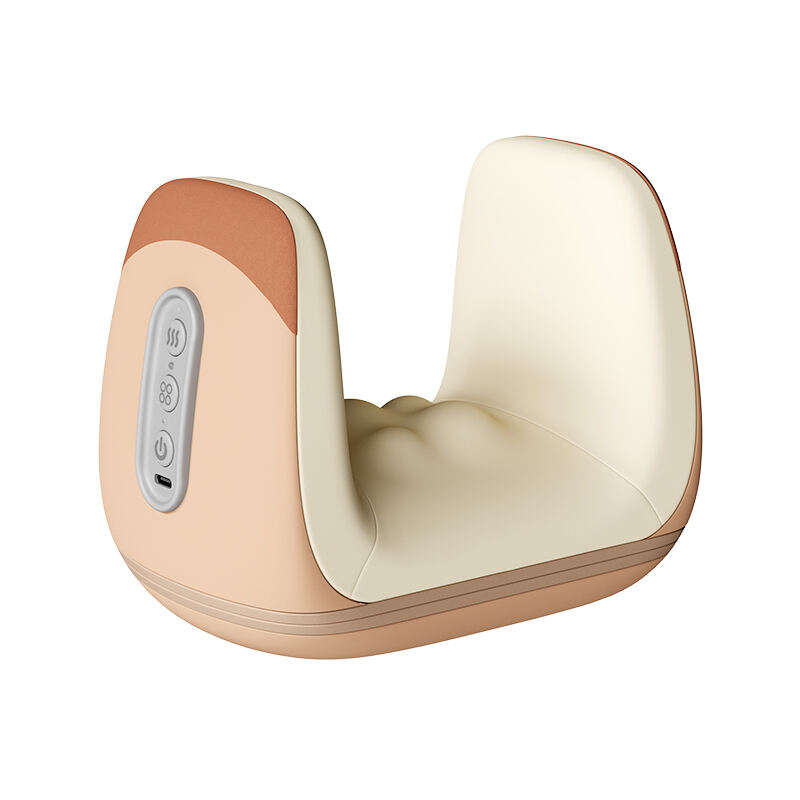
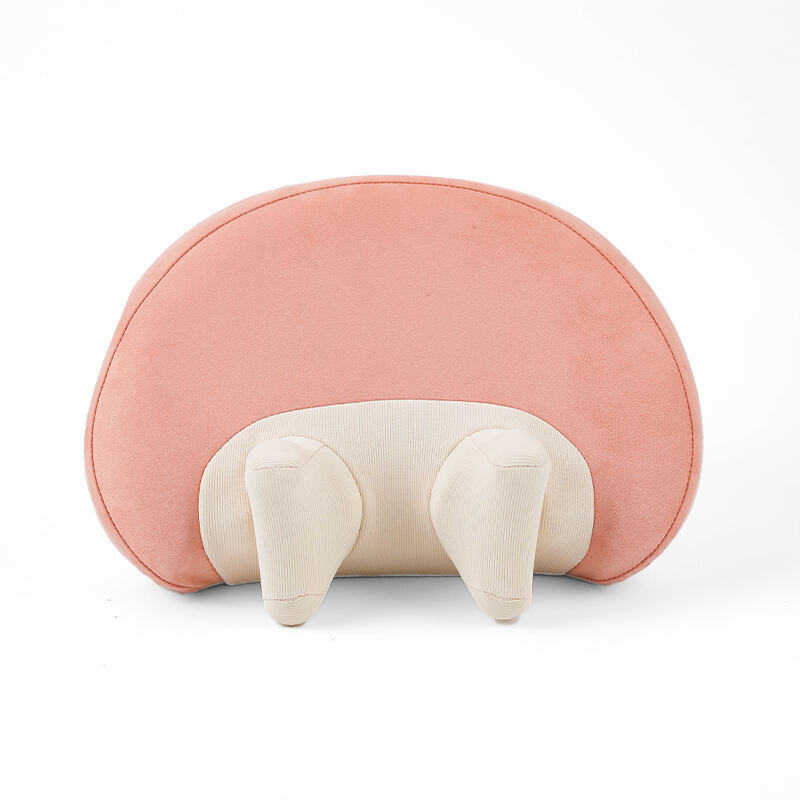
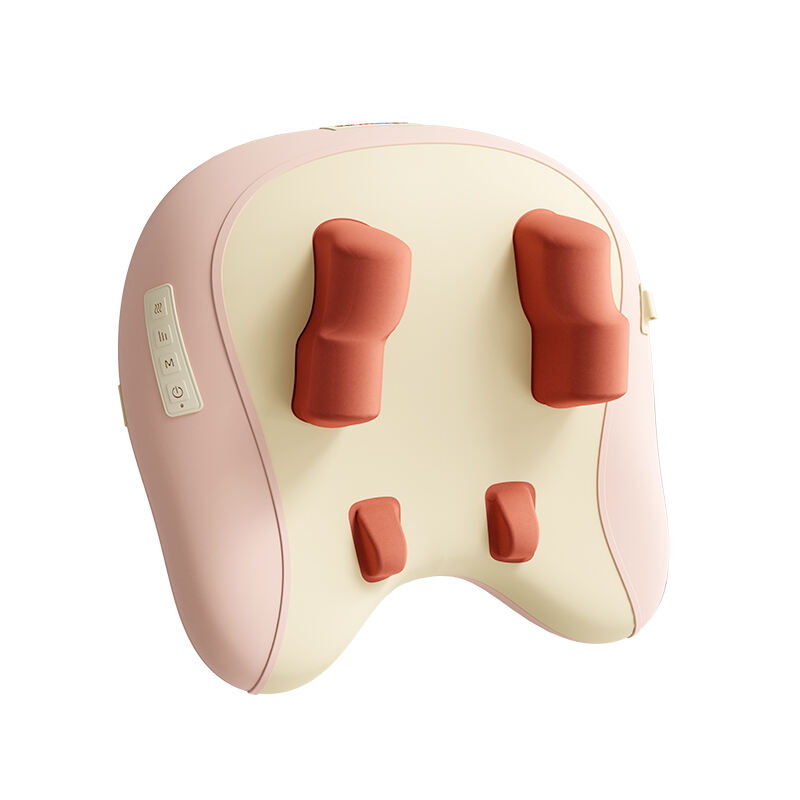
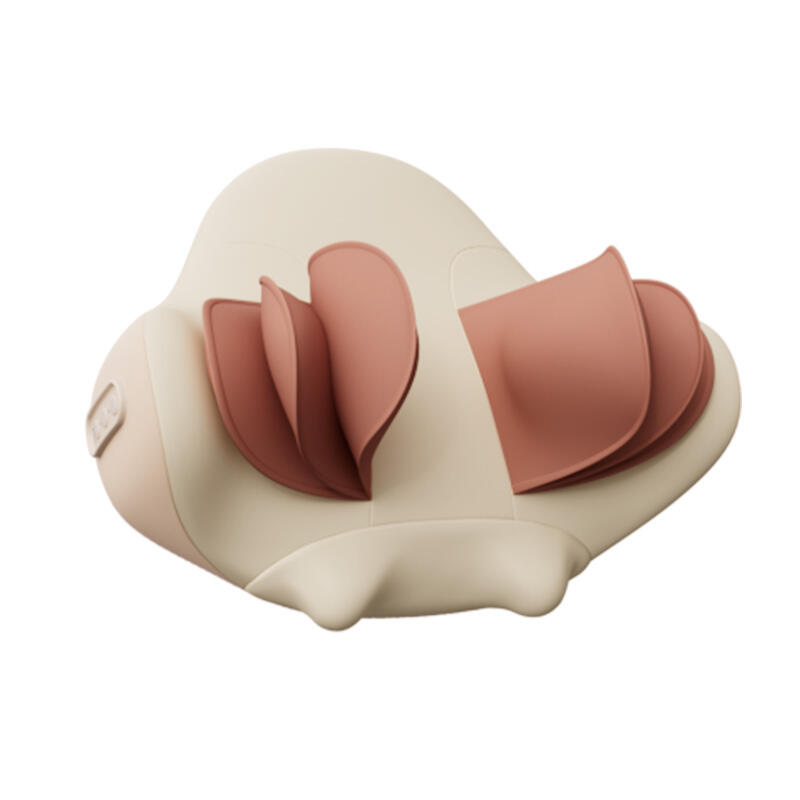
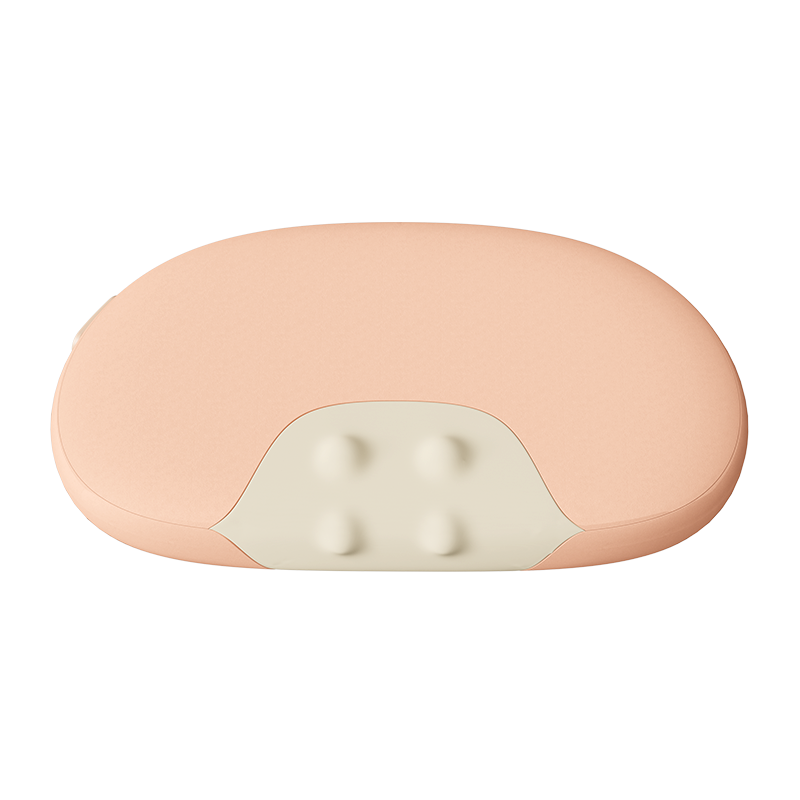
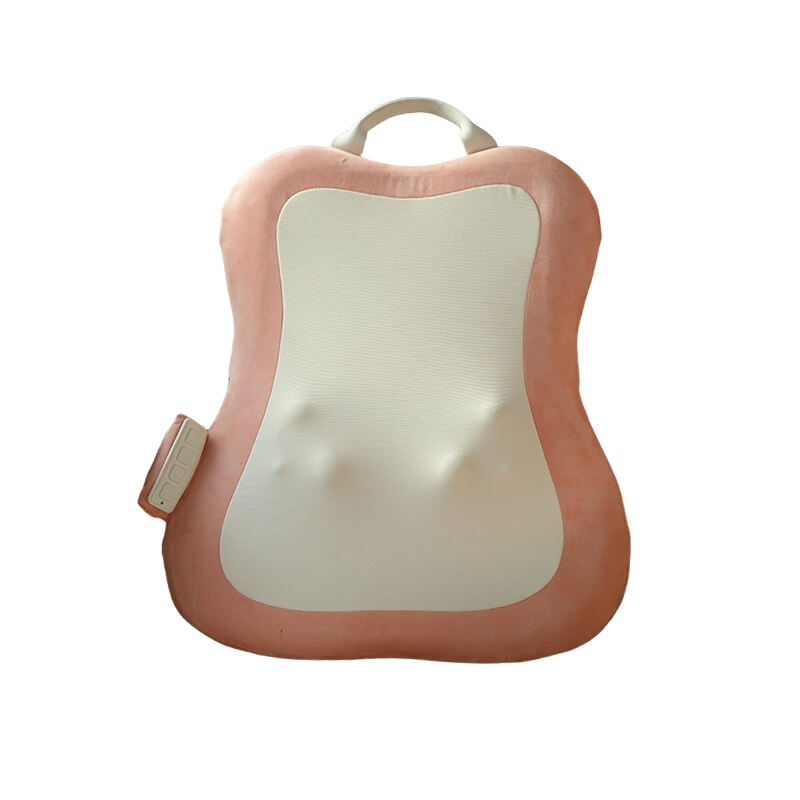
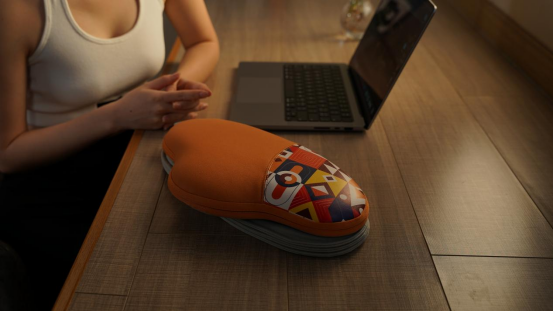
Air compression massagers work by applying what's called intermittent pneumatic compression (IPC). The device inflates and deflates air chambers in a pattern that actually imitates how our muscles contract naturally when we move around. Clinical research from 2023 shows this kind of therapy can cut down swelling by about 38%, which is pretty impressive for something so simple. What makes these different from just resting or stretching? They get the lymphatic system going again, helping flush out stuff like lactic acid that builds up after workouts. At the same time, they push more oxygen into tired muscles. Most devices pulse between 30 to 120 mmHg, which matches how our blood vessels normally function. That's why athletes and people who sit for long periods find them so helpful after physical activity when blood tends to pool in certain areas.
Compressed air technology beats standard methods when it comes to accuracy, reliability, and how it works on muscles at different levels. The adjustable pressure can target deeper muscle layers something regular heat treatments just cant do while also removing the guesswork from hands-on massage techniques where results vary so much between therapists. This method actually tackles poor circulation issues better than those vibrating devices that only affect the skin surface. Heat does help boost blood flow around 12 percent according to a recent study, but intermuscular pressure compression manages to move fluids through tissues almost three times more effectively. That makes this approach particularly good for dealing with sore muscles after workouts and long term inflammation problems where consistent pressure over time really matters.
Today's devices typically come with between three and eight different pressure settings, allowing them to be adjusted according to how much discomfort someone feels and what their healing objectives might be. The technology behind these gadgets includes isolated chambers that can inflate specific areas like the calves or thighs separately, which helps avoid situations where one part gets crushed while another remains underpressured. Some of the newer, fancier units actually sequence through different zones starting from the ankles upwards, something that seems to work pretty well for getting blood flowing back towards the heart. Research into body mechanics suggests that this kind of focused compression cuts down on muscle tightness around forty seven percent better than just squeezing everything all at once does.
LCD screens display real-time pressure and session duration, removing guesswork. Bluetooth-enabled devices sync with companion apps to track recovery trends and adjust protocols remotely. Preset modes—including “Post-Workout” and “Circulation Boost”—automate clinically informed sequences, cutting setup time by 70% while ensuring consistent therapeutic outcomes.
Sports enthusiasts get faster recovery times and better performance when they follow therapy techniques that boost blood circulation while cutting down lactic acid accumulation after workouts by around 40%. This means they can train again sooner without feeling as sore. For people stuck at desks all day, there are now light weight compression sleeves that fit easily into a briefcase or backpack. These provide mild pressure levels between 15 to 30 mmHg throughout work hours, helping blood flow back to the heart and reducing brain fog caused by swollen legs from sitting too long. Patients dealing with conditions like lymphedema or regular swelling depend on specialized medical equipment that delivers customized pressure patterns across multiple chambers at stronger intensities ranging from 30 to 50 mmHg. Research shows daily use of these devices can enhance movement capabilities by about a quarter in those with long term issues. Getting the right balance between how strong the pressure is, whether it moves around the body, and if it can be adjusted makes all the difference for achieving real healing results across different situations.
Picking out an air compression massager for home use means thinking about how well it fits into everyday life. Start by checking where it will go - most apartments work best with something compact, maybe around 18 inches or less. Noise matters too. Look for ones that don't sound like jet engines when running, ideally below 50 decibels so neighbors won't complain. Removable sleeves that can go in the washing machine are a must for keeping things clean between uses. Power options matter as well. Battery operated models let people move around freely while getting massaged, whereas those plugged into the wall provide longer sessions without interruption. For lasting satisfaction, check if replacement parts like air chambers are easy to find. And don't forget warranty coverage. A good warranty should cover motor problems for at least two years, sometimes longer from certain brands.
IPC is a therapy using air compression devices that inflate and deflate air chambers mimicking natural muscle contractions, helping reduce swelling and enhance circulation.
They help in faster recovery by improving circulation and reducing lactic acid accumulation, allowing athletes to train sooner without feeling sore.
Yes, lightweight compression sleeves can be used during work hours to maintain blood flow and reduce leg swelling from prolonged sitting.
Air compression provides adjustable pressure targeting deep muscles, offering consistency unlike hands-on massages with varying results.
Consider the device size, noise level, removable sleeves, power options, availability of replacement parts, and warranty coverage.
 Hot News
2025-08-30
2025-07-28
2025-06-25
2025-03-24
2025-03-24
2025-03-24

Jamooz — Innovating Wellness Tech for Everyday Living.
Jamooz is a design-driven manufacturer of massage devices, home essentials, and car electronics. We provide end-to-end OEM/ODM solutions—from market insights to production—specializing in wellness, beauty, home appliances, outdoor health, and smart parenting.
2nd Floor, No. 19, Siming Industrial Park, East Sea Area of Huan, Tong'an District, Xiamen City
Copyright © 2025 by Jamooz (Xiamen) Technology Co., Ltd. Privacy Policy

 EN
EN