
 EN
EN



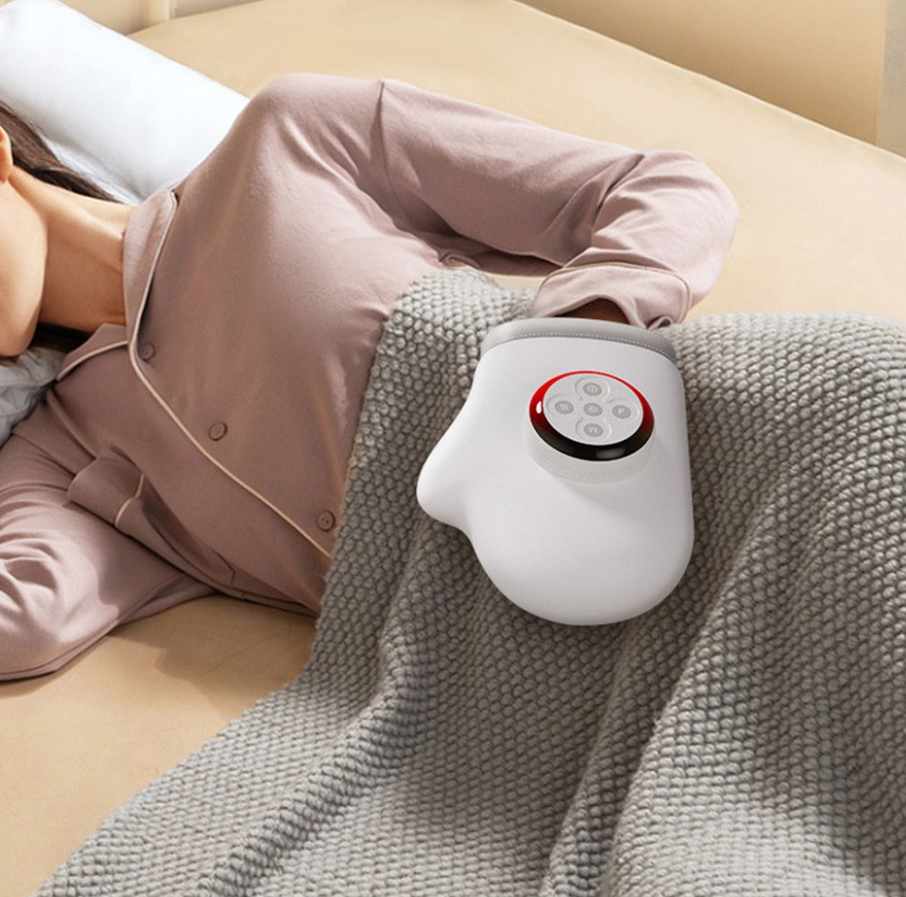
Identify Your Primary Therapeutic Goal
Relaxation, Stiffness Relief, or Arthritis Support: Matching Hand Massager Functionality to Clinical Need
Picking out a good hand massager really comes down to what you need most: just wanting to relax, dealing with stiff fingers after work, or managing arthritis pain. Different goals mean different features will work best. When looking for relaxation, something that gives gentle kneading motions along with warm heat around 100-110 degrees Fahrenheit tends to do wonders for tense muscles by getting blood flowing better. For people struggling with stiffness, look for models that offer stronger pressure options like adjustable vibrations or percussive action that can actually loosen those tight spots in the connective tissues. Those with arthritis should focus on devices that combine mild heating with light compression since this helps cut down on inflammation without putting extra strain on already sensitive joints. Getting the wrong kind of massager might not help at all, or worse, could make things worse. Take high intensity percussion settings for instance they often hurt more than help when joints are already inflamed. Studies show folks who match their massager features to their actual condition see about 40% better results than those using whatever happens to be available. So think carefully about what works for your body before making a purchase.
Compare Hand Massager Types by Mechanism and Evidence
Acupressure, heated, electric, and manual hand massagers: mechanisms and peer-reviewed efficacy
Hand massagers utilize distinct therapeutic mechanisms validated by clinical research:
- Acupressure models apply targeted pressure to meridian points, shown to reduce carpal tunnel discomfort by 38% in a 2023 ergonomics study
- Heated variants (typically 104–113°F) increase blood flow 27% faster than non-heated alternatives, per thermographic analysis
- Electric vibration units stimulate muscle receptors to decrease perceived stiffness by 4.2 points on Visual Analog Scale (VAS) assessments
- Manual rollers offer user-controlled kneading ideal for localized tendonitis management
Consistently, heated models demonstrate superior pain reduction (–52% vs. –31%) in arthritis trials, though acupressure shows longer-lasting relief (6.1 hours vs. 4.3 hours mean duration).
Vibration vs percussion: neuromuscular response and suitability for sensitive or arthritic hands
Vibration and percussion technologies differ fundamentally in therapeutic impact:
| Parameter | Vibration Massagers | Percussion Massagers |
|---|---|---|
| Frequency | 20–130 Hz gentle oscillations | 15–50 Hz rapid pulses |
| Penetration Depth | Superficial muscle layers (0–0.8") | Deep tissue (0.8–1.5") |
| Arthritis Suitability | Recommended for mild to moderate cases | Contraindicated for advanced arthritis |
According to recent studies published by the Journal of Rehabilitation Medicine, vibration therapy seems to cut down on those pesky joint inflammation markers by around 22% when dealing with sensitive hands. Meanwhile, percussion therapy actually does better work for muscle recovery, getting rid of that annoying delayed onset muscle soreness (DOMS) almost 30% quicker than other methods. But wait there's a catch. Many rheumatologists have raised red flags about using percussion techniques because they can be tough on bones, especially for folks with existing density issues. That's why most doctors tend to recommend vibration therapy instead. Looking at actual case reviews from patients with osteoarthritis, vibration comes out on top as the safer option in roughly four out of five situations. Makes sense really since it doesn't put as much stress on already fragile joints.
Assess Practical Features That Impact Daily Use
Heat integration, adjustable intensity, ergonomic fit, portability, and one-hand operation
When looking for warm therapy to ease joints or relax muscles, heat integration matters a lot. Research shows that steady temperatures between 104 and 113 degrees Fahrenheit (about 40 to 45 Celsius) can boost blood flow by around 38%. The ability to adjust intensity levels is really important too, especially for people dealing with arthritis flareups or nerve issues who need softer pressure settings. Massagers shaped to fit the natural curve of hands help keep wrists comfortable and fingers aligned properly even after long sessions. Most models weigh under two pounds these days and come with locking features so they stay secure while traveling to work or on road trips. What makes all this matter? Simple operation with just one hand lets folks with stiff fingers or reduced grip still get their own treatment without assistance. All these practical details make the difference between something people forget about and a genuine daily therapy companion that actually gets used regularly.
Validate Your Choice with Evidence-Based Buying Criteria
Safety certifications, clinical endorsements, verified user reviews, and value-aligned pricing for hand massager selection
When looking at devices, safety certifications such as FDA approval or CE marking are really important because they show the product meets medical standards. Consumer reports actually suggest that equipment without these certifications tends to break down about three times more often than certified ones. Look for recommendations from physical therapists or check out research published in reputable journals that back up what the manufacturer says works. For arthritis specific products, make sure there's evidence from actual clinical trials showing effectiveness. Reading real customer feedback matters too. Check sites where people leave honest opinions, paying attention to how many folks mention things lasting longer and providing real pain relief over time. Price comparisons matter when considering features. Devices that come with extra functions like heat settings and adjustable power levels generally keep users coming back around 40 percent more than cheaper alternatives. Think beyond just the initial cost though. A good warranty and parts that can be replaced instead of buying whole new units will save money in the long run.
FAQs
What is the best hand massager for arthritis? Devices that combine mild heating with light compression are ideal for managing arthritis pain, as they help reduce inflammation without stressing sensitive joints.
How does heat integration benefit hand massagers? Heat integration helps boost blood flow, easing joint pain and relaxing muscles. Steady temperatures between 104 and 113 degrees Fahrenheit are recommended for best results.
Are vibration or percussion massagers better for sensitive hands? Vibration massagers are typically recommended for sensitive hands and mild arthritis, while percussion massagers are more suitable for muscle recovery and are contraindicated for advanced arthritis.
Why are safety certifications important when purchasing a hand massager? Safety certifications like FDA approval or CE marking indicate that a product meets medical standards, which can help ensure quality and durability.