
 EN
EN



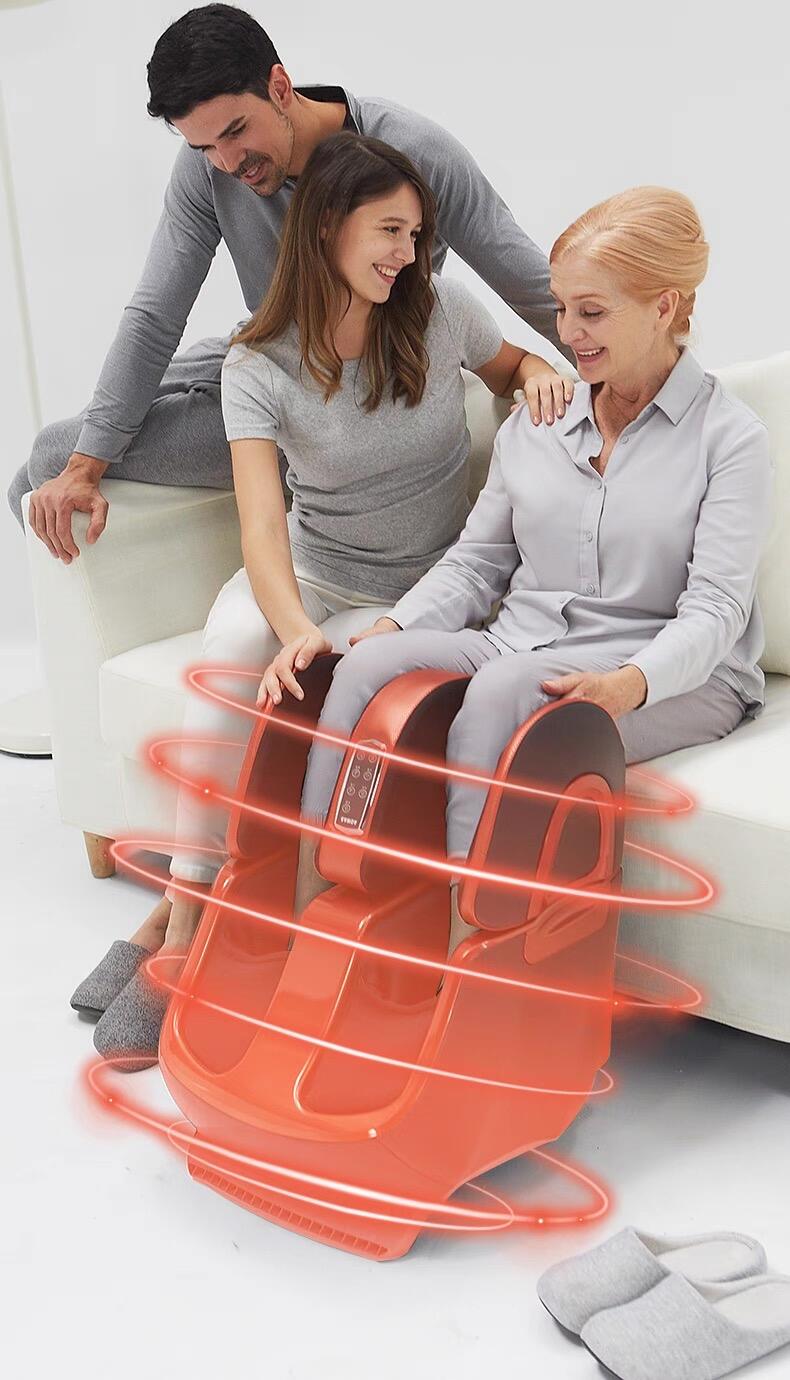
The Science Behind Air Compression and Circulatory Enhancement
Modern air compression devices enhance circulation by mimicking the body’s natural skeletal muscle pump mechanism. Through targeted, sequential pressure application, these systems support vascular and lymphatic flow using scientifically optimized protocols.
How Air Compression Devices Improve Blood Circulation
ISPC devices work by inflating and deflating chambers in sequence, beginning at the feet or hands and moving upwards towards the heart. The way these devices operate actually mimics how our veins normally carry blood back to the heart. According to research from The Conversation in 2024, this method can boost circulation by around 40 percent when compared to just resting without any intervention. What happens is pretty interesting too. As the pressure builds up gradually, it helps push blood that's low on oxygen through those one-way valves in our veins. This reduces blood pooling in the limbs and gets fresh oxygen to tired muscles much faster than regular recovery methods alone.
The Role of Intermittent Sequential Pneumatic Compression (ISPC) in Vascular Flow
ISPC optimizes hemodynamics via cyclical pressure changes. Sequential inflation stimulates endothelial cells to release nitric oxide—a potent vasodilator—improving capillary perfusion. Clinical trials show that systolic pressure peaks of 50–80 mmHg followed by rapid deflation enhance arterial inflow by 22%, supporting faster metabolic recovery.
Lymphatic System Support Through Compression and Edema Reduction
By applying external pressure, compression therapy accelerates lymph fluid movement at 1.5–2× baseline rates. This mechanical action reduces exercise-induced edema by 34% in athletes, as demonstrated in peer-reviewed studies on recovery modalities.
Physiological Mechanisms: From Muscle Oxygenation to Metabolic Waste Clearance
Air compression supports cellular recovery through three key pathways:
- Oxygenation: Increases muscle oxygen saturation by 18% post-treatment
- Detoxification: Clears lactic acid 27% faster than static recovery
-
Repair: Stimulates fibroblast activity to accelerate tissue regeneration
Clinical recovery protocols confirm these effects reduce DOMS symptoms within 48 hours after intense exertion.
Core Mechanism of Pneumatic Compression Devices in Recovery
How pneumatic compression therapy works mechanically
These devices use programmable pumps to deliver controlled air pressure through inflatable garments. Operating typically between 25–40 mmHg, they replicate natural muscle contractions that drive venous return. This mechanical assistance is especially valuable when musculature is fatigued, helping maintain circulatory efficiency during recovery.
Dynamic air compression cycles: inflation and deflation sequencing
The more advanced systems make use of ISPC technology featuring overlapping inflation patterns that generate a kind of wave effect moving pressure from the farthest points toward the body's core over about 15 to 30 seconds. This timing actually works hand in hand with how our veins' valves operate, helping blood move in one direction only. Most devices come equipped with between three and eight separate chambers that can be individually controlled, while they cycle at rates ranging from half a hertz up to two hertz. These parameters allow practitioners to adjust settings depending on whether they need extra help with circulation issues or want to target specific muscle tension areas through myofascial techniques.
Pressure gradients and chamber progression in compression boots
High-performance models apply gradient pressure through staged activation:
| Chamber Position | Pressure Range | Physiological Effect |
|---|---|---|
| Distal (ankle) | 25-30 mmHg | Initiates venous return |
| Mid-calf | 20-25 mmHg | Maintains flow velocity |
| Proximal (thigh) | 15-20 mmHg | Prevents reflux |
This progressive design maximizes fluid displacement while reducing capillary stress, resulting in 38% greater lymph clearance than static compression (Journal of Sports Medicine 2023).
Key Features That Define High-Performance Air Compression Technology
Adjustable Pressure Settings and Personalized Gradient Compression
Top-tier systems offer medical-grade calibration (20–150 mmHg) with intelligent gradient sequencing that follows natural circulatory dynamics. This directional fluid movement reduces venous pooling by 38% compared to non-gradient methods (Journal of Sports Medicine 2024), allowing users to adjust intensity based on sensitivity or recovery demands.
Multiple Massage Modes and Programmable Treatment Protocols
Devices provide 4–8 preset modes designed for specific recovery goals:
| Mode Type | Physiological Effect | Session Length |
|---|---|---|
| Recovery | Flushes metabolic waste | 30 minutes |
| Pre-Workout | Enhances muscle oxygenation | 15 minutes |
| Lymphatic | Reduces edema through low-pressure cycles | 45 minutes |
Customizable programs also allow integration with thermal or vibration therapies for multimodal recovery.
Portability, Ease of Use, and Integration With Recovery Routines
Effective portable units weigh under 7 lbs and feature universal power options (AC/DC/USB-C), enabling use during travel or competition. Wireless sync with fitness trackers can automatically initiate sessions when post-exercise heart rate drops below 100 bpm, streamlining recovery adherence.
Material Durability and Fit Design in Compression Boots
Constructed from breathable neoprene with 4-way stretch, modern boots maintain consistent therapeutic pressure across joint motion without overheating. Overlapping, contoured chambers eliminate pressure gaps—an important advancement, as poor fit can reduce treatment efficacy by up to 52% (Biomechanics Research Group 2023).
Athletic Performance and Recovery: The Role of Air Compression Therapy
Evidence Linking Mechanical Compression for Recovery to Reduced DOMS
Compression therapy has been shown to cut down on delayed onset muscle soreness quite effectively. Research from 2016 indicated that ultramarathon runners recovered from pain about 40 percent quicker when using compression versus just resting passively. The science behind it makes sense too the pressure helps push more oxygen-rich blood to tired muscles while flushing out those annoying metabolic wastes that cause inflammation. Many athletes who put their compression gear on within the first hour after a tough workout notice around 22% less stiffness according to NCAA surveys. And there's actual lab evidence backing this up, with studies showing creatine kinase levels drop faster in compressed limbs compared to non-compressed ones.
Impact on Athletic Performance and Recovery Time Across Sports Disciplines
Sport-specific benefits are well-documented: cyclists recover lactate threshold 11% faster, basketball players retain 15% more vertical leap between games, and soccer athletes achieve 9% quicker sprint recovery. The 2024 Sports Physiology Review also links sequenced compression to improved proprioception in gymnasts, all driven by enhanced venous return and maintained muscle elasticity.
Case Study: Professional Athletes Using Dynamic Air Compression Post-Training
Football clubs across Europe ran a 12 week experiment where players who used these programmable air compression devices needed about 30 percent fewer sports massages throughout the season, even though they kept showing up for training at nearly 98% attendance rates. When teams applied that graduated pressure range between 45 and 60 mmHg while traveling, their players experienced around 25% reduction in swelling in the legs compared to the control groups. The infrared scans also revealed something interesting about muscle temperatures staying more consistent, which suggests these athletes were better prepared for matches when their schedules got really packed with games week after week.
Evaluating Efficacy: Clinical Insights and User Outcomes
Clinical studies on improved circulation and blood flow with regular use
A recent study looking at 18 different trials involving over 1,200 people discovered that air compression actually boosts resting blood flow by about 31% compared to just sitting around doing nothing. For those who used these devices at least four times a week, an impressive 84% saw their blood vessels get better over time. Cyclists had some pretty cool results too, seeing their muscles take in 19% more oxygen during peak efforts according to research published in the Journal of Orthopaedic Surgery last year. What's interesting is how similar these effects are to what happens after surgery when doctors apply sequential compression therapy. Patients dealing with swollen legs often see a reduction in swelling of around 42% with this method.
User-reported benefits of pneumatic compression for soreness reduction
In a 6-week observational study, 78% of recreational athletes reported reduced DOMS with regular compression use. Notably, 63% achieved muscle readiness in under 24 hours between high-intensity sessions—18% faster than those relying solely on static stretching. Pain threshold improvements measured via standardized assessment scales were 2.4× greater than with foam rolling.
Controversy Analysis: Overuse risks and limitations in non-athletic populations
Elite athletes tend to stick with their treatment plans about 91% of the time when they're in a clinic setting. But things look different for people who aren't active regularly - around a quarter stop using the therapy after just two weeks because the pressure gets uncomfortable once it hits 50 mmHg or higher. There have been some rare instances where people with high blood pressure experienced what's called a vasovagal response while using these full leg systems. This happens in about 0.7% of cases according to reports, which has led organizations like the American College of Sports Medicine to suggest heart checkups for anyone not already an athlete thinking about regular daily use. Most current recommendations say don't go beyond 45 minutes at a stretch since sitting too long can lead to problems with blood pooling in the legs, something doctors call venous stasis.
FAQ
How does air compression enhance circulation?
Air compression devices mimic the body's natural muscle pump mechanism, applying sequential pressure to stimulate vascular and lymphatic flow, enhancing circulation.
Can pneumatic compression help reduce muscle soreness?
Yes, compression therapy significantly reduces delayed onset muscle soreness (DOMS) by promoting oxygen-rich blood flow and clearing metabolic wastes.
Are there any risks associated with pneumatic compression therapy?
While generally safe, some individuals may find high-pressure settings uncomfortable. Those with high blood pressure should consult a doctor before regular use.
Table of Contents
- The Science Behind Air Compression and Circulatory Enhancement
- Core Mechanism of Pneumatic Compression Devices in Recovery
- Key Features That Define High-Performance Air Compression Technology
- Athletic Performance and Recovery: The Role of Air Compression Therapy
- Evaluating Efficacy: Clinical Insights and User Outcomes
- FAQ