
 EN
EN



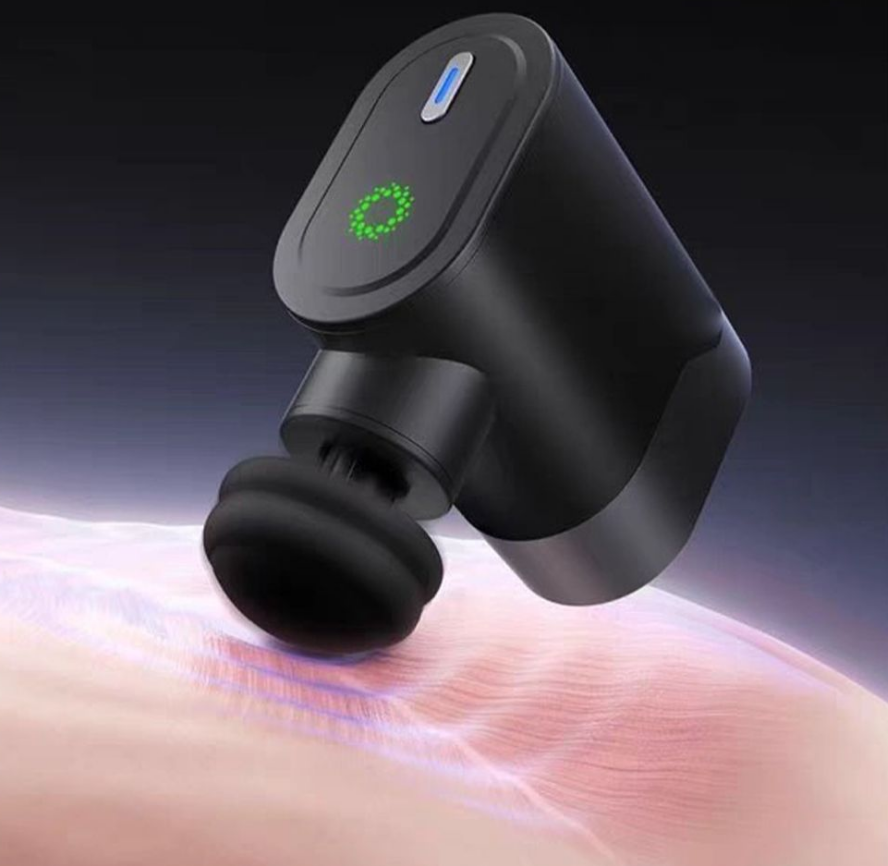
How Percussive Therapy Mechanics Enable True Deep Tissue Relaxation
Amplitude and stall force: The biomechanical duo for muscle layer penetration
Deep tissue massage guns work best when they have good amplitude and sufficient stall force. Amplitude refers to how far the attachment moves during operation, while stall force measures the pressure the device can apply before the motor stops working. For most people, around 10 to 14 millimeters of amplitude seems to reach those tough muscle layers underneath the skin effectively. When it comes to stall force, anything below 30 Newtons tends to struggle against tougher tissues, so manufacturers need to hit that mark or higher to keep delivering consistent pressure throughout sessions. These factors combine to create those beneficial pressure pulses that help break down stubborn knots in muscles, boost blood circulation by about 40 percent according to recent studies from the Journal of Sports Medicine (2023), and stimulate the body's natural healing processes through mechanical signals that promote muscle recovery.
PPM over RPM: Why percussions per minute—not just motor speed—determine tissue engagement depth
The motor's revolutions per minute (RPM) basically tells us how fast something is spinning inside, but what really matters for actual results is the number of percussions per minute (PPM). Some gadgets might spin super fast at high RPM yet deliver very few real impacts because they just aren't efficient mechanically. These end up creating more surface level vibrations instead of actually changing the tissue underneath. On the other hand, when we look at what works clinically, most effective devices operate between 1800 and 2400 PPM. At these levels, the pressure waves can penetrate around 3 to 4 centimeters into muscles while keeping a regular rhythm that stops muscles from bracing against the treatment. This is different from simple vibrators since the consistent impact pattern maintains pressure between each hit, which helps reshape fascia over time. A study published in Clinical Biomechanics back in 2022 showed that devices optimized for proper PPM cut down on those annoying delayed muscle soreness symptoms about 37 percent quicker compared to gadgets focused solely on RPM numbers.
Essential Massage Gun Features for Reliable Deep Tissue Performance
Attachment design science: Bullet, fork, and flat heads for precise anatomical targeting
The shape of attachments plays a big role in how safe and accurate deep tissue work can be. Bullet shaped heads focus the pressure right on those stubborn trigger points, which works great for tough spots like the psoas muscles or around the glutes. Forked designs let therapists work along the spine without touching the vertebrae directly, making it safer for clients while still getting good movement in the muscles next to the spine. For bigger areas like quads or lats, wide flat heads spread out the pressure so there's less chance of bruising but still enough depth to get results. Handles that angle comfortably make all the difference when reaching those hard to access areas in the back, especially the rhomboids. And those silicone coatings really help when working on someone for extended periods since they prevent that annoying skin dragging feeling, giving better control overall and keeping everyone more comfortable throughout the session.
Variable speed and pressure modulation: Preventing neuromuscular guarding during deep work
Building up intensity slowly helps prevent those annoying muscle contractions that happen as a defense mechanism called neuromuscular guarding. Most folks should start around 1800 to 2200 PPM first. This warms up the tissues and gets them ready for what's coming next. Then move on to mid range stuff between 2400 and 2800 PPM which actually penetrates deeper into the fascia layers. Going past 3000 PPM for too long can cause tiny injuries especially if someone isn't used to it yet. Some newer devices come equipped with pressure sensors that beep or flash when things get too intense, giving users a heads up so they can back off before muscles start fighting back. Research indicates this kind of controlled approach can make people feel less pain overall, somewhere between 30% and 45% reduction according to various studies. Makes sense really, because nobody wants their therapy session turning into another problem altogether.
| Modulation Factor | Therapeutic Benefit | Optimal Range |
|---|---|---|
| Speeds | Tissue preparation | 3–5 settings |
| Pressure | Guarding prevention | 20–50 lbs |
| Session Duration | Fatigue management | 2–5 minutes |
Evidence-Based Validation: What Practitioners and Athletes Confirm Works
Clinical case: Chronic hamstring stiffness resolved with 12mm amplitude + 40N stall force massage gun
One college sprinter who had been dealing with persistent tightness in their upper hamstrings for months found relief through a specialized massage gun featuring 12mm amplitude and 40N stall force. The treatment plan involved short daily sessions focusing on those stubborn hamstring areas, gradually increasing the pulse per minute setting from 1800 to 2400 over time. Different attachments were used strategically too - the bullet head worked well for deeper spots while the fork attachment helped reach tricky angles. Four weeks into this routine, both measurable results and how the athlete felt day to day indicated significant progress toward normal function again.
| Improvement Metric | Pre-Treatment | Post-Treatment |
|---|---|---|
| Passive ROM | 68° | 92° |
| Stiffness VAS | 7.2/10 | 1.8/10 |
| Sprint discomfort | Severe | Minimal |
This outcome aligns with biomechanical principles: amplitude enabled safe, repeatable penetration into deep posterior chain tissues, while elevated stall force maintained therapeutic load through resistant fascia—confirming why engineering specifications matter as much as technique in clinical-grade percussion therapy.
Future-Forward Innovations in Deep-Tissue-Focused Massage Guns
New deep tissue massage guns coming out soon combine smart technology, eco-friendly materials, and health tracking features to make treatments more effective for serious muscle work. The built-in AI reads what's going on inside muscles as they get massaged, then changes how hard and deep the gun pushes automatically. It can go up to around 16mm penetration depth and apply over 60 Newtons of force when needed, targeting those stubborn knots without making the body tense up defensively. Instead of regular plastic parts, these gadgets use lightweight metal components similar to what's found in airplanes. This not only makes them lighter and quieter than before (less than 45 decibels), but also gives longer battery life of about 8 hours straight - pretty important for working through tough areas. Many models now connect via Bluetooth to fitness trackers too, so the massage adapts based on recent workouts and other body signals. Looking ahead, most experts believe something like 70% of all new massage gun designs will incorporate these kinds of smart features by 2026, turning what was once just a home gym toy into a legitimate recovery tool used by professionals.
FAQ
What is the ideal amplitude for a deep tissue massage gun?
For most users, an amplitude of 10 to 14 millimeters is recommended to effectively reach deep muscle layers.
Why is PPM more important than RPM in massage guns?
PPM (percussions per minute) is crucial as it determines how deeply the pressure waves penetrate the muscles, whereas RPM merely measures motor speed without indicating actual impact efficiency.
What attachments are best for specific muscle areas?
Bullet heads target stubborn trigger points, forked designs work well along the spine, and wide flat heads are ideal for larger muscle areas like the quads or lats.
How can massage guns prevent neuromuscular guarding?
By building up intensity slowly and using devices with variable speed and pressure modulation, massage guns can help prevent protective muscle contractions, known as neuromuscular guarding.
What are the features of future deep tissue massage guns?
Future models will likely include smart technology, eco-friendly materials, AI-driven force adjustments, and health tracking features to enhance therapy efficiency and effectiveness.