
 EN
EN



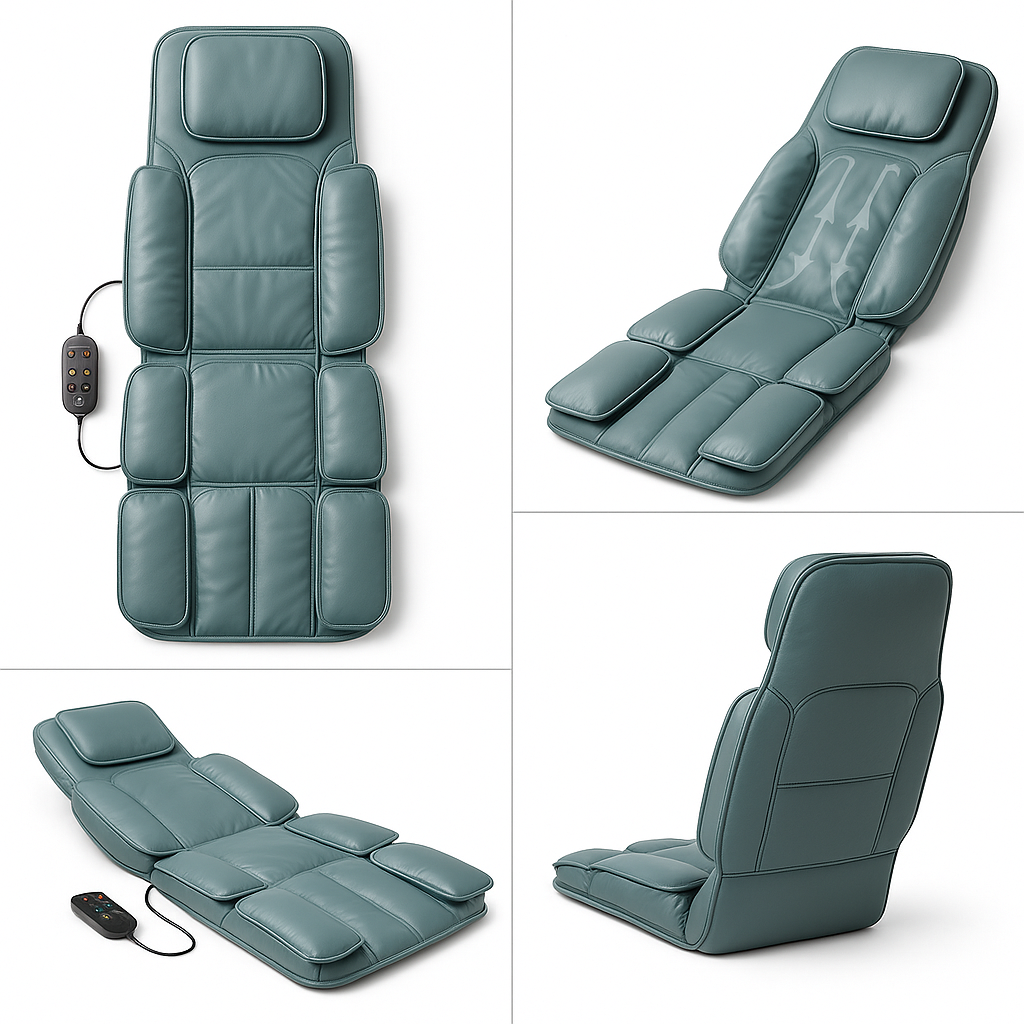
The Evolution and Core Features of Multi-Functional Massage Pads
Rise of Portable Massage Pad Solutions in Home Wellness
Portable massage devices have seen a massive jump in popularity lately, with demand shooting up around 40% since 2020 according to Technavio's latest numbers. People just want something they can grab and use whenever their back starts acting up. These days most massage pads are super light weight too, some even clocking in below five pounds and running wirelessly so folks can stick them wherever they need relief - whether it's on office chairs, bedroom furniture, or even those awkward car seat positions nobody really likes. Looking at bigger picture stuff, we're seeing this same pattern across wellness tech overall. A recent report from the Consumer Wellness Tech folks found that nearly two thirds of people dealing with ongoing pain issues would rather treat themselves at home than schedule another doctor appointment.
Integration of Shiatsu, Compression, Vibration, and Heat Therapy
Advanced models combine four key modalities:
- Shiatsu rollers mimic thumb-pressure techniques for deep tissue relief
- Compression airbags improve circulation in limbs using 15–30 mmHg pressure
- Percussion motors deliver 1,200–3,200 vibrations per minute
- Far-infrared heat penetrates up to 1.5 inches into muscle tissue at 104–113°F
A 2023 Johns Hopkins study found this multi-modal approach improves short-term stiffness relief by 37% compared to single-therapy devices.
AI-Driven Customization: The Latest Trend in Massage Pad Technology
The best models on the market today combine machine learning algorithms with between 16 and 32 built-in sensors that can actually read the shape of a person's body while they're sitting there. These gadgets then tweak their kneading motions and pressure levels as they go along. Some studies from Cleveland Clinic back in 2024 found people reported feeling better after using them, with satisfaction rates jumping around 29% compared to older versions. Pair these machines with those posture tracking apps we all have on our phones now, and suddenly they start creating custom recovery schedules tailored specifically to what each individual does during their day and where their muscles get tight. At last year's CES show, several companies showed off early prototypes of massage pads that connect right into smart home systems. They can basically set themselves up for therapy sessions whenever needed, which gives us a glimpse at where this whole integrated wellness tech trend might be heading with AI making everything just work together seamlessly.
Effectiveness of Massage Pads for Pain Relief and Relaxation
Scientific Evidence on the Effectiveness of Massage Pads for Pain Relief
Research shows that today's massage pads actually work pretty well for what they promise. A study from 2020 published in Complementary Therapies in Medicine looked at these devices and found that when people used them, their muscle and joint pain dropped about a third compared to just lying there doing nothing. Most high end models come with heat function too, which around eight out of ten have. This heat helps get more blood flowing to tight spots, maybe somewhere between 15 and 20 percent increase, which means muscles heal faster after workouts or injuries. There isn't tons of specific research on massage pads themselves yet, but the National Center for Complementary and Integrative Health has been studying massage therapy for years. Their findings back up what many already know - people with chronic pain conditions like fibromyalgia often feel better. About six in ten patients who regularly use massage report fewer symptoms over time.
User-Reported Outcomes: Neck, Back, and Hip Pain Improvement
Real-world data highlights practical benefits:
- Neck/Shoulder Stiffness: 78% of office workers in a 2023 ergonomics trial reported over 50% pain reduction after three weeks of daily 20-minute sessions
- Lower Back Discomfort: Users of shiatsu-equipped pads saw an average improvement of 4.2/10 in lumbar pain scores
- Hip Mobility: 68% of arthritis patients noted improved range of motion when combining heat and compression therapies
Short-Term Benefits vs. Placebo Effects in Perceived Effectiveness
Immediate relaxation is well-documented, with 79% of users feeling relief within 15 minutes. However, long-term effectiveness requires sustained use. A 2021 Pain Medicine Journal study revealed:
| Metric | Massage Pad Group | Placebo Group |
|---|---|---|
| 1-Hour Pain Reduction | 42% | 19% |
| 7-Day Cumulative Effect | 28% | 5% |
These results indicate biological mechanisms contribute significantly to pain reduction. Notably, 86% of participants in a six-month trial maintained regular use even as placebo effects diminished, suggesting intrinsic therapeutic value beyond psychological comfort.
Comparing Multi-Functional Massage Pads to Specialized Devices
Massage Gun vs. Massage Pad: Targeted Recovery for Muscle Soreness
Massage guns give that targeted thumping action great for working out knots in specific spots such as the calves or tight shoulder muscles, whereas massage pads provide wider pressure coverage that works better on bigger areas of the body. Many trainers I've spoken to suggest getting a massage gun after hitting the gym because they can be adjusted to different strengths and really zero in on problem spots. On the flip side, those flat pad devices usually come with heating elements that combine with vibrations throughout several sections of the back. People find these particularly helpful when trying to unwind completely after a stressful day, since they cover so much area at once for overall muscle relaxation.
Dedicated Back Massagers vs. Full-Body Coverage of Massage Pads
Back massagers designed specifically for spinal support work better than regular pads when it comes to relieving chronic upper back tension because they have those special pressure points built right in. On the flip side, these all-purpose pads cover much more ground, going from neck down to thighs, which explains why around three quarters of people who responded to last year's wellness questionnaire liked how flexible their modular setup was for different parts of the body. Sure, the dedicated machines give stronger kneading action, but what most folks seem to miss is that pads are the only option that regularly includes heat function too. That warmth really helps muscles unwind over bigger areas, making them feel less tight after a long day at work or sitting in front of screens.
Portability, Precision, and Performance: Key Trade-Offs
| Factor | Massage Pads | Specialized Devices |
|---|---|---|
| Portability | Lightweight (³ 3 lbs) | Often bulkier (5–8 lbs) |
| Treatment Precision | Moderate (3"–5" nodes) | High (1"–2" focal points) |
| Peak Pressure | 25–35 psi | 40–60 psi |
Biomechanical studies show specialized tools maintain therapeutic pressure 2.1 times longer during intense sessions, underscoring their advantage in clinical or athletic settings.
When to Choose a Specialized Device Over a Multi-Functional Massage Pad
When dealing with specific issues like sciatica or those pesky rotator cuff problems that need serious pressure work, it's best to go with specialized equipment designed for medical treatment. Most regular massage pads just can't keep up the intensity past about 15 minutes, something several studies last year actually backed up. Professional massage therapists often point out that certain techniques they use, especially ones involving friction across muscle fibers, simply aren't possible with standard pad settings. But if someone is just looking to unwind after a tough day at work or wants to stay ahead of potential problems, there's still plenty of value in getting a good quality multi-functional pad. They're affordable, easy to use at home, and great for everyday maintenance between professional sessions.
Limitations of Massage Pads in Long-Term Pain Management
Addressing Symptoms vs. Underlying Causes of Chronic Pain
Massage pads can help ease those annoying muscle knots and sore spots, though they mostly just tackle the surface issues instead of getting at what's really causing long term pain problems. According to some research from last year, around 7 out of 10 people felt better right after using these devices, but less than a third actually noticed any lasting improvement past two days. That makes sense when we think about serious conditions such as osteoarthritis or fibromyalgia. For these kinds of issues where there's actual inflammation going on inside the body or tissues breaking down over time, nothing beats proper medical care and treatments specifically designed for those underlying health concerns.
Red Flags: When a Massage Pad Is Not Enough
Seek professional evaluation if you experience:
- Radiating pain or numbness extending beyond the treatment area
- Sudden loss of mobility or muscle function
- Persistent symptoms lasting more than 14 days despite regular use
Clinical guidelines advise against using massage pads for individuals with pacemakers or acute injuries, as vibration may interfere with medical devices or worsen soft tissue damage.
High User Satisfaction Despite Limited Clinical Impact: An Industry Paradox
According to a survey from 2023, most people seem pretty happy with their massage pads for winding down after a tough day. About 89% said they work well enough for relaxation purposes. But when it comes to getting official approval from doctors for managing long term pain issues? Only around 12% of healthcare experts actually back these devices up. What this shows is that folks probably get comfort and stress relief from using them regularly, even if there isn't much real change happening inside the body. Sleep quality improvements were reported by nearly everyone who tried them too, but interestingly enough, those fancy MRI tests didn't pick up any actual decrease in back inflammation for people who used the pads consistently over time.
Massage pads are valuable for daily stress relief and muscle recovery but should not replace diagnostic evaluations or treatments for structural issues such as herniated discs or nerve compression. Always pair their use with professional assessments when pain patterns extend beyond typical muscle fatigue.
Table of Contents
- The Evolution and Core Features of Multi-Functional Massage Pads
- Effectiveness of Massage Pads for Pain Relief and Relaxation
- Comparing Multi-Functional Massage Pads to Specialized Devices
- Massage Gun vs. Massage Pad: Targeted Recovery for Muscle Soreness
- Dedicated Back Massagers vs. Full-Body Coverage of Massage Pads
- Portability, Precision, and Performance: Key Trade-Offs
- When to Choose a Specialized Device Over a Multi-Functional Massage Pad
- Limitations of Massage Pads in Long-Term Pain Management