
 EN
EN



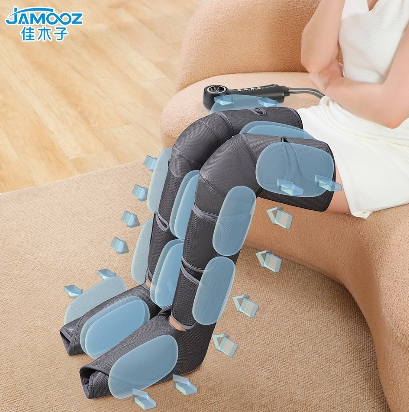
The Science Behind Air Compression and Sedentary Work Fatigue
Why Office Workers Experience Leg Swelling and Microcirculatory Stagnation
When someone sits for too long, their calf muscles basically shut down. These muscles act as the body's backup system for getting blood back to the heart against gravity. Without this pumping action, blood starts pooling in the legs, lymph fluid doesn't drain properly, and small blood vessels get pressurized. What happens next is pretty straightforward: fluids leak out into the tissues around the legs, making them feel heavy and causing poor circulation at the microscopic level. A study found that about seven out of ten office workers start feeling leg discomfort within just three hours of sitting still (Waongenngarm et al., 2016). This clearly shows how fast our bodies react negatively to all that sitting around.
How Sequential Air Compression Enhances Venous Return and Lymphatic Drainage
Medical-grade sequential air compression devices replicate physiological muscle pumping via programmable, ascending pressure waves—from ankles to thighs—that dynamically support circulation. Clinical evidence confirms this technology:
- Increases venous blood velocity by 130% compared to passive sitting
- Activates deep lymphatic pathways, accelerating waste clearance
- Reduces interstitial fluid volume by 40% within a single 15-minute session
- Lowers key biomarkers associated with deep vein thrombosis (DVT) risk during extended desk work
Thermographic imaging further validates functional impact: skin temperature rises 2–3°C in compressed zones, reflecting enhanced microvascular perfusion and direct mitigation of gravitational edema—a critical advantage for sedentary professionals.
Proven Benefits of Air Compression in Workplace Wellness Programs
Clinical Evidence: RCTs Showing Reduced Leg Heaviness and Improved Recovery in Desk-Based Employees
The results from randomized controlled trials keep pointing to air compression working well in actual settings. Take this workplace study from 2023 where office workers tried out compression devices during lunch breaks. Those who used them felt their legs were 37 percent less heavy and bounced back from sitting around fatigue about 28% quicker than people who didn't use anything special. What happens here is pretty straightforward biology stuff really. The compression helps blood and lymph fluid move better through veins, fighting off that sluggish circulation that builds up when we sit still too long. Most folks start noticing these effects after about three weeks if they stick with it regularly. For companies looking at alternatives to medication-based solutions, this kind of approach makes sense both medically and practically speaking.
Integration Trends: Air Compression Devices in Enterprise Wellness Platforms with Usage Analytics
Top companies are starting to incorporate compression therapy into their overall wellness systems, which run on internet-connected devices that track how often people use them. We've found that when these machines are set up in busy break areas, around two thirds of workers actually interact with them about three times each week. The data collected helps HR departments connect device usage patterns to things like employee performance, sick days taken, and medical insurance claims, turning vague wellness efforts into something backed by actual numbers. Take a major manufacturer as an example they reported nearly 19 percent fewer complaints about leg pain after installing those smart lounges with automatic compression settings. Plus, there was also a noticeable drop in temporary disability claims linked to those same issues following deployment of these tech-enhanced relaxation spots.
Strategic Deployment Models for Air Compression in Corporate Settings
Individual vs. Shared Lounge Stations: Balancing Accessibility, Hygiene, and ROI Tracking
Getting these systems into workplaces means making sure how they're rolled out matches what the company actually cares about. Putting individual units right at workstations makes them super easy to access and customize for each person's needs. They let employees get quick relief from symptoms without stopping their work completely, though there's a catch - these setups typically cost around 40% more per user upfront. On the flip side, shared lounge stations save money and space. Companies report spending about 30% less per employee when these stations serve 15 or more staff members, plus they encourage those scheduled stretch breaks that everyone seems to love nowadays. But before going this route, good cleaning practices matter a lot. Most companies (about 78%) opt for replaceable covers on their equipment, and switching to disposable liners cuts down on germs by roughly two thirds compared to regular cleaning methods according to last year's Facility Management Survey.
Cloud-connected devices provide granular usage analytics—enabling precise ROI tracking through engagement rates, session duration, and longitudinal health metric correlation. While individual units show an 18% higher daily usage rate, shared models deliver stronger scalability and behavioral nudging when strategically located near cafeterias, restrooms, or collaboration hubs.
Key implementation considerations:
- Accessibility: Individual units eliminate time barriers; lounges reinforce intentional break culture
- Hygiene: Disposable liners cut contamination risk by 67% versus reusable materials
- ROI Tracking: Cloud-connected devices provide usage analytics for program optimization
Addressing Adoption Barriers and Evidence Gaps for Air Compression
Even though there's solid research backing these approaches, many organizations still struggle with getting them off the ground. The main roadblock? Money up front. According to a recent study in the Corporate Health Journal from last year, about two thirds of wellness program managers point to costs as their biggest headache. Plus, employees often resist trying something new they don't know much about. We're missing key pieces of information too, especially when it comes to figuring out how often and how long sessions should run for different office jobs, and what kind of returns companies actually see over time in various industries. Starting small makes sense here. Running test programs while keeping track of results like better productivity, fewer sick days taken, and actual money saved on claims helps convince decision makers and fine-tunes how we roll things out later. To really move forward, we need ongoing teamwork between people who study workplace ergonomics, doctors who specialize in blood vessel health, and those managing corporate wellness programs. Together they can create specific guidance for different roles and set common standards for measuring success across the board.