
 EN
EN



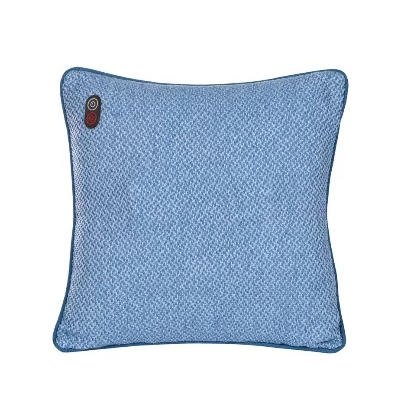
Understanding Bulk Procurement Requirements for Massage Pillows
Minimum Order Quantities, Scalability, and Compliance Thresholds for B2B Buyers
When buying massage pillows in bulk, B2B purchasers should focus on three main factors: minimum order quantities, how well suppliers can scale production, and whether they meet all necessary regulations. Most vendors require orders between 100 to around 500 units per product type, which affects what each item actually costs. For companies looking to expand their offerings, it's important that suppliers can handle sudden increases in demand. Some businesses need their partners to manage double the usual order size within two months, especially during holiday seasons or when new wellness programs launch across multiple locations. Safety certifications matter too. Suppliers must show proof they follow local rules regarding things like electromagnetic emissions from devices and proper labeling of chemicals used in materials, particularly under California's Prop 65 laws. According to recent research from the logistics sector, nearly seven out of ten large buyers run into problems with stock availability when these basic requirements aren't clearly spelled out in contract agreements.
| Procurement Factor | Business Impact | Verification Method |
|---|---|---|
| MOQ Flexibility | 15–30% cost variance | Tiered pricing schedules |
| Production Scalability | Peak demand coverage | Factory capacity audits |
| Regulatory Compliance | Market access eligibility | Test reports from ISO 17025-accredited labs |
Essential Certifications: FDA, CE, and ISO Standards for Commercial Massage Pillow Deployment
When bringing massage pillows to market - particularly those making therapeutic claims about muscle relaxation or pain reduction - manufacturers need proper certifications that back up their safety standards, performance metrics, and overall quality control. The FDA demands clearance for any device sold in the US that promises benefits for musculoskeletal issues or pain management. If exporting to Europe, products must carry CE markings compliant with EMC Directive 2014/30/EU, which basically means they pass tests for electromagnetic interference and electrical safety standards. Quality assurance comes down to ISO certifications too. ISO 13485 is specifically for medical grade equipment quality management, whereas ISO 9001 covers general manufacturing consistency across production runs. Supply chain reports from 2024 show facilities lacking these essential certifications experience roughly three times more product recalls than certified operations. Before placing large orders, always ask for actual certificate numbers and verify them through official government databases to avoid potential compliance headaches later on.
Evaluating Total Cost of Ownership in Massage Pillow Procurement
ROI Analysis Across Corporate Wellness Programs: 3-Year Lifecycle Perspective
Looking at total cost of ownership over three years shows something interesting: what companies pay upfront for these wellness tools makes up just about 42% of all spending related to corporate wellness programs. Take premium massage pillows for instance they still work around 92% as well as new ones after being used regularly for three whole years. That means fewer replacements needed and less time spent on maintenance tasks. When we break down the math, each session actually costs between 18 and 22 cents when spread across their entire life span. Compare that to things like daily vitamin packs which can run anywhere from $1 to $3 every single day. The sweet spot for return on investment happens when these units last through approximately 900 to 1,100 sessions before showing any real drop in effectiveness. This timeframe matches pretty closely with how most employee wellness programs roll out and renew themselves year after year. Companies that factor in this longer view typically cut back on their yearly purchasing budgets by roughly 31%, instead of constantly replacing cheaper options that need swapping out twice a year.
Hidden Costs: Warranty Terms, Repair Support, and Multi-User Licensing Models
Procurement teams often overlook three high-impact cost drivers that erode ROI in institutional deployments:
- Warranty limitations: Exclusions for motor burnout (a 17% failure mode) or battery degradation shift $48–$75/unit repair liability to the buyer
- On-site repair logistics: Absence of certified local technicians increases clinical downtime costs by 40%
- Subscription licensing: Cloud-connected models impose $12–$28/unit/year fees—eroding 22% of projected savings
Mitigate exposure by prioritizing lifetime motor warranties, regionally distributed service networks, and perpetual (not subscription-based) software licenses—non-negotiable for hospitals, spas, and physical therapy clinics requiring uninterrupted availability.
Vetting Reliable Suppliers for Massage Pillow Bulk Orders
Key Vendor Metrics: On-Time Delivery, Reorder Lead Time, and Certified Production Capacity
How reliable suppliers are makes all the difference when it comes to keeping operations running smoothly and controlling total cost over time. Look for vendors who actually hit their delivery deadlines most of the time, ideally above 95% according to real audits rather than just what they say. This matters a lot for projects where timing is everything, such as starting new corporate wellness programs or integrating clinical systems. The best suppliers can usually get orders back within 10 workdays or so, which helps avoid those frustrating situations where inventory runs out right when demand spikes. When checking if a supplier can scale up production, don't fall for flashy marketing materials. Instead, insist on seeing actual third party factory inspections that show they really can handle unexpected jumps in orders, maybe even doubling or tripling what they normally produce, without cutting corners on quality or losing track of certifications. For medical equipment specifically, ISO 13485 certification still stands out as a good indicator of consistent quality standards. To keep tabs on how well suppliers perform, create a simple scoring system checked every three months. Give 40 points for timely deliveries, 30 for fast reorder turnaround, and another 30 for proving they have real capacity when needed. This approach helps maintain a resilient supply chain that can weather surprises without breaking down.
Matching Massage Pillow Features to Institutional Use Cases
Durability, Hygiene Design, and Integration Needs for Hospitals, Spas, and Physical Therapy Clinics
The institutional setting calls for equipment designed specifically for those environments instead of trying to make consumer grade products work. Take hospitals for instance they need gear built to last through intense cleaning routines. Medical devices should handle at least fifteen rounds of disinfection daily using EPA approved chemicals without their cases warping or sensors going off track. Plus, they need covers made with antimicrobial materials that won't let fluids seep in, something that meets CDC standards for preventing infections. Spas have different but equally important needs. Their equipment requires smooth surfaces that can be wiped down in under ninety seconds between clients, getting rid of those hard to clean corners where bacteria love to hide. Physical therapy clinics look for rugged construction too, especially strong casings and sturdy hinges since therapists constantly adjust positions during treatments. When it comes to how everything connects, there's no one size fits all approach. Hospital equipment needs to talk to electronic health records through HL7 or FHIR protocols so doctors can document treatments properly. Spas often want connections to booking systems like Mindbody or Booker so appointments sync automatically. PT clinics typically need built in timers and loggers to track sessions accurately. According to research published in the Journal of Clinical Ergonomics back in 2023, facilities that invest in these customized specs see a reduction in contamination problems by almost 60%. Makes sense really good design isn't just about looking professional it actually keeps everyone safer and makes day to day operations run smoother.