
 EN
EN



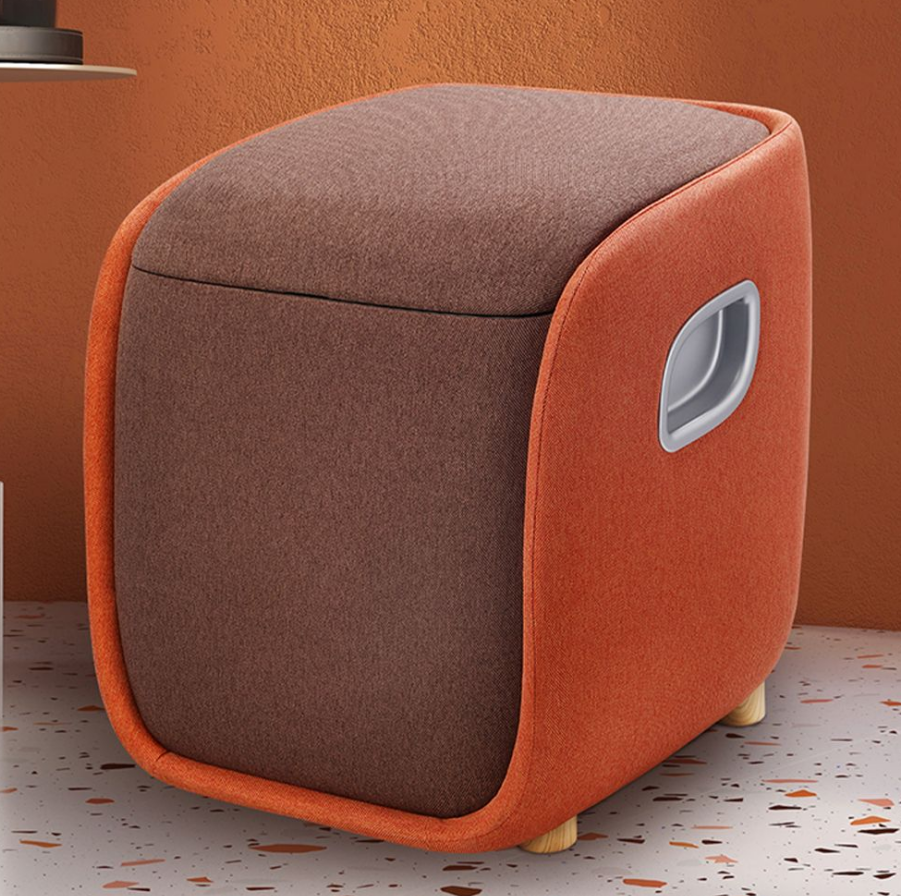
How Foot Massagers Improve Circulation: Science-Backed Mechanisms
Mechanical Stimulation and Vasodilation: Boosting Blood Flow Naturally
When rollers or nodes apply mechanical pressure, they trigger the body to release nitric oxide, which acts as a powerful vasodilator. This substance can actually widen blood vessels by around 30%. The result? Lower vascular resistance and faster blood flow to the feet, typically between 15% to 25% increase according to what microcirculation research shows. Activating these pressure receptors also helps relax the smooth muscles lining arteries, which means better delivery of nutrients and removal of metabolic waste products such as lactic acid buildup. Rhythmic kneading movements work similarly to how our muscles naturally contract, helping push blood back through veins and preventing pooling in the lower extremities. This is particularly good news for people who spend long hours sitting still. All these physical responses lead to noticeable improvements in blood circulation patterns within about ten minutes flat, all without needing any kind of medication or drugs.
Heat, Compression, and Nerve Activation: Synergistic Effects on Microcirculation and Oxygen Delivery
The most effective foot massagers integrate heat, air compression, and nerve stimulation to amplify circulation through complementary pathways:
- Heat (38–42°C) dilates capillaries by ~40%, significantly increasing tissue perfusion
- Air compression applies gradient pressure (up to 200 mmHg) to simulate walking motion, accelerating venous return by 18%
- Nerve stimulation engages autonomic pathways that modulate vascular tone and endothelial function
Combined approaches boost oxygen levels in foot tissue somewhere around 12 to 17 percent according to those near infrared scans. Heat therapy by itself seems to triple how active the metabolism is locally, and when we add compression, it stops platelets from clumping together which helps keep tiny blood vessels healthy. The combination works better on the lining of blood vessels than just using one type of treatment alone. People who suffer from Raynauds disease or have poor circulation because of diabetes tend to get real benefits from this kind of multi approach treatment strategy.
Top Circulation-Optimized Features in a Foot Massager
Air Compression Therapy vs. Rolling Kneading: Which Best Supports Venous Return?
Air compression therapy works by inflating airbags in sequence to simulate the feeling of someone manually squeezing limbs. This helps push blood back towards the heart in a systematic way. The treatment is really good at tackling issues like swelling from edema or problems with chronic venous insufficiency. People who try this often find it reduces swelling better than just regular kneading techniques can manage on their own. Rolling kneading takes a different approach altogether. It employs rotating nodes that press down along muscles lengthwise, which actually boosts local blood flow through arteries and helps drain excess fluid from tissues. Both methods help improve circulation, but air compression stands out when dealing with blood pooling in veins because of how it creates these wave-like pressure patterns throughout the limb. For folks struggling with poor venous return, most healthcare professionals tend to recommend air compression as the go-to option.
Adjustable Heat Zones and Pressure Control: Tailoring Hemodynamic Benefits
Getting the right temperature matters a lot here. Most effective results come from keeping things around 40 to 45 degrees Celsius or roughly 104 to 113 Fahrenheit. At these temps, blood vessels open up safely while improving tiny blood flow by nearly 40 percent according to studies. Combine this with different pressure options and folks can focus on tough spots such as foot arches without hurting delicate parts of their body. A word of caution though: anyone dealing with diabetic neuropathy needs to stay away from heat completely since they might not feel when something gets too hot. To get proper blood flow help without risks, look for devices offering three distinct pressure settings plus separate heating sections across different body areas. These features actually match what doctors recommend for helping blood vessel problems get better over time.
Choosing a Safe and Effective Foot Massager for Poor Circulation
Critical Considerations for Diabetic Neuropathy and Peripheral Artery Disease
People with diabetic neuropathy (DN) or peripheral artery disease (PAD) face distinct risks: DN impairs pain and temperature perception, raising the danger of thermal injury, while PAD involves narrowed arteries that cannot tolerate excessive mechanical stress. To mitigate harm, select devices with:
- Low-range, adjustable air compression (ideally ≤100 mmHg) to support venous return without straining compromised arteries
- Fully deactivatable heat elements, as thermal features pose unacceptable risks for insensate feet
- Built-in pressure sensors that auto-shutoff under excessive load—critical for preventing unnoticed tissue trauma
Consultation with a vascular specialist or podiatrist is essential before use—especially for stage 2+ PAD or advanced DN. Research indicates improper device selection increases injury risk by 30% in these populations.
2024’s Best Foot Massagers for Circulation: Evidence-Informed Comparison
Evidence consistently shows that foot massagers combining heat, air compression, and rolling kneading deliver the strongest circulatory benefits—boosting blood flow 40% more effectively than single-mode alternatives by simultaneously activating vasodilation, venous propulsion, and neural regulation (Ponemon Institute, 2023). Top-performing 2024 models share three evidence-based traits:
- Zoned pressure adjustment, enabling targeted intensity across forefoot, arch, and heel to match regional vascular resistance
- Controlled, non-contact heat distribution, capped at 45°C (113°F) to enhance microcirculation without thermal risk
- Programmable sequences that alternate compression and kneading—clinically shown to mimic therapeutic massage and elevate extremity oxygen delivery by 27% versus basic vibration units
For optimal, sustainable hemodynamic improvement, combination-therapy devices remain the gold standard—backed by physiology, clinical observation, and peer-reviewed outcomes.
FAQ
What is the main function of nitric oxide in foot massagers?
Nitric oxide acts as a vasodilator, widening blood vessels by around 30% to enhance blood flow and nutrient delivery.
How do heat and air compression contribute to improved circulation?
Heat dilates capillaries by ~40%, while air compression accelerates venous return by simulating walking motion.
Should people with diabetic neuropathy use foot massagers with heat?
No, heat can pose dangers as individuals with diabetic neuropathy may not perceive excessive temperatures, leading to potential injuries.
What are the benefits of air compression therapy over rolling kneading?
Air compression therapy is particularly effective for venous return by creating wave-like pressure patterns, whereas kneading enhances local blood flow through arteries.