
 EN
EN



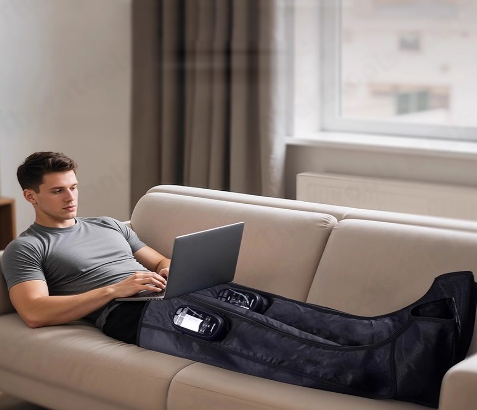
ပိုက်ဆံရနိုင်သော ခြေထောက်မဆာဂျာများအတွက် ဈေးကွက်ကြီးထွားမှုနှင့် ဝယ်လိုအား မောင်းနှင်သည့် အကြောင်းရင်းများ
ခြေထောက်မဆာဂျာများ အသုံးပြုမှုကို မြှင့်တင်ပေးနေသော ကျန်းမာရေးနှင့် ကျန်းမာစေရေး လားရာများ တိုးတက်လာခြင်း
ယနေ့ခေတ်တွင် လူတို့သည် ၎င်းတို့၏ကျန်းမာရေးအကြောင်း ပိုမိုသတိထားမိလာကြပြီး ဒါကြောင့် ပါတ်စ်ပါးရှ်ဘီလ် ခြေထောက်မဆာဂျာများ မကြာသေးမီက လူကြိုက်များလာခြင်းဖြစ်သည်။ အလုပ်အများစုသည် ကျွန်ုပ်တို့ကို တစ်နေ့လုံးထိုင်နေစေသောကြောင့် ကျွမ်းကျင်သူထံ မသွားဘဲ ကိုယ်လက်လှုပ်ရှားမှုများကို ဂရုစိုက်ရန် နည်းလမ်းများကို လူအများစု လိုလားကြသည်။ အားကစားခန်းများနှင့် ယောဂတန်းများ လူကြိုက်များလာသည်နှင့်အမျှ ဤလိုအပ်ချက်မှာ ပို၍ပင် ပြင်းထန်လာသည်။ စာရင်းအင်းများကလည်း ဤအချက်ကို အတည်ပြုပေးသည် - နှစ်ကုန်ဆုံးခဲ့သည့်နှစ်တွင် ပြန်လည်ကောင်းမွန်ရေးပစ္စည်းများဈေးကွက်သည် ၂၅% ခန့် တိုးတက်လာခဲ့သည်။ ယခင်က စားပွဲပေါ်တွင်ထိုင်နေသူများအတွက် ပစ္စည်းတစ်ခုအဖြစ်သာ မှတ်ယူခဲ့သော်လည်း ယနေ့တွင် မိသားစုအများစုအတွက် နေ့စဉ်အသုံးပြုရန် အထောက်အကူဖြစ်စေသည့် ပစ္စည်းတစ်ခုဖြစ်လာသည်။ ခေတ်မီပြုလုပ်ထားသော မော်ဒယ်များတွင် အပူပေးကုထုံး၊ ဖိအားကို ချိန်ညှိနိုင်သော အဆင့်များကဲ့သို့သော လုပ်ဆောင်ချက်များ ပါဝင်ပြီး တစ်နေ့လုံး အလုပ်တွင် ခြေထောက်ပေါ်တွင် ရပ်နေပြီးနောက် သို့မဟုတ် ကြမ်းတမ်းသော လေ့ကျင့်ခန်းပြီးဆုံးပြီးနောက် သက်သာမှုရရှိရန်အတွက် အမှန်တကယ် ကွာခြားမှုကို ဖြစ်ပေါ်စေပါသည်။
ကမ္ဘာလုံးဆိုင်ရာ စျေးကွက်အရွယ်အစားနှင့် စီးပွားဖြစ် မဆာဂျ်ကိရိယာများအတွက် CAGR ခန့်မှန်းချက်များ
စီးပွားဖြစ် မဆေ့ခ်ရည်အတွက် ပစ္စည်းဈေးကွက်သည် ၂၀၂၅ ခုနှစ်က ဘီလျှံဒေါ်လာ ၁၀.၆ ဘီလျှံမှ ၂၀၃၂ ခုနှစ်တွင် ဘီလျှံဒေါ်လာ ၂၀.၈ ဘီလျှံအထိ တိုးချဲ့သွားမည့်အလားအလာရှိပြီး အလွန်ကြီးမားစွာ တိုးတက်လာမည်ဖြစ်သည်။ ၎င်းသည် တစ်နှစ်လျှင် ၁၀.၂% ခန့် တိုးတက်မှုနှုန်းကို ကိုယ်စားပြုသည်။ ဤတိုးတက်မှုအများစုသည် ဆေးရုံများ၊ ကုမ္ပဏီများ၏ ကျန်းမာရေးစင်တာများနှင့် ပြန်လည်ထူထောင်ရေး ဆေးခန်းများတွင် အသုံးပြုရန် အဖွဲ့အစည်းများက ဤကိရိယာများကို အသုံးပြုလာကြခြင်းကြောင့် ဖြစ်သည်။ ပိုက်ဆံဘက်ထရီဖြင့် အလုပ်လုပ်သော ယန္တရားများတွင် မကြာသေးမီက ပြုလုပ်ခဲ့သည့် မွမ်းမံမှုများသည် အခြေအနေများစွာကို ပိုမိုကောင်းမွန်စေခဲ့သည်။ ဤပိုမိုခေတ်မီသော မော်ဒယ်များကို ဆရာဝန်ရုံးများနှင့် ကုမ္ပဏီများ၏ အနားယူခန်းများကဲ့သို့ နေရာများစွာကြားတွင် လွယ်ကူစွာ ရွှေ့ပြောင်းအသုံးပြုနိုင်သည်။ နေရာစုံတွင် အသုံးပြုနိုင်ပြီး ပလပ်တွင် မချိတ်ဆက်ရသောကြောင့် ဆေးကုသမှုများအတွက်သာမက နေရာကျဉ်းမြောင်းသော အလုပ်နေရာများသို့ ချဲ့ထွင်ရာတွင်လည်း အသုံးဝင်သောကြောင့် ၎င်းတို့သည် လူကြိုက်များလာခဲ့သည်။
အသက်ကြီးလာမှုနှင့် အိမ်တွင်းနှင့် ဆေးခန်းများတွင် ခြေထောက်ကုထုံးအတွက် လိုအပ်ချက်များ တိုးတက်လာခြင်း
ကျွန်ုပ်တို့၏လူဦးရေ၏ ပြောင်းလဲလာသော လူဦးရေဖွဲ့စည်းမှုများသည် ယနေ့ခေတ်လူအများ၏ လိုအပ်သော ကုသမှုအမျိုးအစားများကို အမှန်တကယ် ပြောင်းလဲစေနေပါသည်။ ကမ္ဘာတစ်ဝှမ်းရှိ လူတစ်ဦးလျှင် ခြောက်ဦးကို ယခုအခါ ၆၅ နှစ်အထက်ရှိပြီးဖြစ်ပြီး၊ ဤအုပ်စုသည် သွေးလှည့်ပတ်မှုဆိုင်ရာ ပြဿနာများနှင့် ရွေ့လျားရာတွင် အခက်အခဲများကို ရင်ဆိုင်နေရလေ့ရှိပါသည်။ မည်သူမဆို ယူဆောင်သွားနိုင်သော ခြေထောက်မဆ်ဆာဂျ်များသည် အမှန်တကယ် အရေးပါသော ကိရိယာများဖြစ်လာပါသည်။ ဆရာဝန်ရုံးများတွင် ၎င်းတို့ကို ကုသမှုများပြီးနောက် လူနာများ ပြန်လည်ကောင်းမွန်လာစေရန်နှင့် မိမိကိုယ်ကို မည်သို့ဂရုစိုက်ရမည်ကို သင်ယူရန်အတွက် အသုံးပြုကြပါသည်။ ထို့အတူ အသက်ကြီးသူများသည် ပုံမှန်ကျွမ်းကျင်သူ၏ အကူအညီကို အမြဲတမ်းမလိုအပ်ဘဲ အိမ်တွင် ကျန်းမာရေးကို စီမံခန့်ခွဲရန်အတွက် ဤကိရိယာများကို အလွန်အသုံးဝင်ကြောင်း တွေ့ရှိနေကြပါသည်။ ဤမဆ်ဆာဂျ်များသည် နှစ်ဖက်စလုံးမှ အလုပ်လုပ်နိုင်သည့် အချက်ကြောင့် ငွေကြေး သို့မဟုတ် ပုံမှန်ကုသမှုအစီအစဉ်များကို ရယူရန် ခက်ခဲသည့်အခါတွင် ကောင်းမွန်သော အစားထိုးနည်းလမ်းများဖြစ်ပါသည်။ ရုပ်ပိုင်းဆိုင်ရာ ကုထုံးပညာရှင်အများစု (သုံးပုံနှစ်ပုံခန့်) သည် လူနာများ ချိန်းဆိုမှုများကြားတွင်ပါ ပြန်လည်ကောင်းမွန်ရေးအတွက် အိမ်သုံးကိရိယာများကို ရယူရန် အကြံပြုကြပါသည်။
လုပ်ငန်းအသီးသီးတွင် အသုံးပြုနိုင်သော ပါးပါးလွှာလွှာ ခြေထောက်မဆ်ဆာဂျ်များ၏ B2B အဓိကအသုံးချမှုများ
ကုသမှုအတွက် ခြေထောက်မဆာဂျ်ဖြစ်သည့် နည်းလမ်းအဖြစ် ကျန်းမာရေးစောင့်ရှောက်မှုနှင့် ရုပ်ပိုင်းဆိုင်ရာ ကုထုံးကုသမှု ဆေးခန်းများတွင် အသုံးပြုခြင်း
ခြေထောက်မဆာဂျ်များကို ရွေ့လျားအသုံးပြုနိုင်သည့် စက်များသည် သွေးလှည့်ပတ်မှုကောင်းမွန်စေရန်၊ ရောင်ရမ်းမှုကို လျော့ကျစေရန်နှင့် ခွဲစိတ်ကုသမှုပြီးနောက် သို့မဟုတ် လှုပ်ရှားရန် အခက်အခဲရှိသူများအတွက် ကူညီပေးနိုင်သည့် ကိရိယာအဖြစ် ဆေးခန်းများတွင် လူကြိုက်များလာပါသည်။ ၂၀၂၃ ခုနှစ်တွင် Journal of Rehabilitation Medicine မှ ထုတ်ဝေသော သုတေသနအရ လက်ဖြင့်ကုသခြင်းထက် ဤကဲ့သို့သော မဆာဂျ်များက ပြန်လည်ကောင်းမွန်မှုကာလကို ၂၂% ခန့် လျှော့ချပေးနိုင်ကြောင်း တွေ့ရှိရပါသည်။ ၎င်းတို့သည် နေရာအနည်းငယ်သာ ယူသောကြောင့် ကုသမှုနေရာအများစုတွင် ပုံမှန်လုပ်ငန်းစဉ်များကို မပျက်မကွက် တပ်ဆင်အသုံးပြုနိုင်ပါသည်။ ဆရာဝန်များအတွက် အချိန်ပိုင်းတိုင်းတွင် ကိရိယာများကို ထပ်ခါတလဲလဲ အသုံးပြု၍ တူညီသော ကုသမှုကို ပေးနိုင်သည့်အတွက် အလွန်အဆင်ပြေပါသည်။
ရုံးဝန်ထမ်းများအတွက် ကုမ္ပဏီ၏ ကျန်းမာရေးစောင့်ရှောက်မှု အစီအစဉ်များတွင် ပေါင်းစပ်အသုံးပြုခြင်း
စားပွဲတိုက်တွင် အချိန်ကြာရှည်စွာ အလုပ်လုပ်သူများသည် ခြေထောက်နှင့် ခြေဖဝါးနာကျင်မှုများကို အများအားဖြင့် ကြုံတွေ့ကြရပြီး OSHA ၏ ဇီဝအင်ဂျင်နီယာ သုတေသနများက ဤအချက်ကို ရှင်းလင်းစွာ ထောက်ခံပေးထားပါသည်။ သူတို့၏ ဒေတာများအရ ပိုမိုလှုပ်ရှားရသော အလုပ်များတွင် လုပ်ကိုင်သူများနှင့် နှိုင်းယှဉ်ပါက ရုံးဝန်ထမ်းများသည် ခြေထောက်နှင့် ခြေဖဝါးဆိုင်ရာ ပြဿနာများကို ၄၀% ခန့် ပိုမိုခံစားနေရပါသည်။ ထိုနေရာတွင် ဘက်ထရီဖြင့် အလုပ်လုပ်သော ပိုက်ဆံသယ်ရလွယ် ခြေထောက်မဆာဂျာများ ဝင်ရောက်လာပါသည်။ တစ်နေ့လုံး ထိုင်နေခြင်းမှ အနားယူရန် လိုအပ်သည့်အခါတိုင်း အမြန်အသာသာ သက်တောင့်သက်သာရရှိစေပြီး ကြွက်သားများကို ပြေလျော့စေကာ ခန္ဓာကိုယ်အောက်ပိုင်းရှိ သွေးလှည့်ပတ်မှုကို ပိုမိုကောင်းမွန်စေပါသည်။ ကျွန်ုပ်တို့ တွေ့ဆုံခဲ့သော HR မန်နေဂျာများအရ ကုမ္ပဏီများသည် ကျန်းမာရေးဆိုင်ရာ အကြံပြုစာစီစဥ်မှုများ သို့မဟုတ် ကျန်းမာရေးအလေ့အကျင့်များအတွက် အမှတ်ပေးခြင်းများကို ပေးသည့်အစား ဤကဲ့သို့သော အသုံးဝင်သည့် ပစ္စည်းကိရိယာများကို ပေးပါက ကျန်းမာရေးစောင့်ရှောက်မှုဆိုင်ရာ အစီအစဉ်များတွင် ဝန်ထမ်းများ၏ စိတ်ဝင်စားမှုသည် ၃၁% ခန့် ပိုမိုမြင့်တက်လာပါသည်။ ဤသေးငယ်သော ကိရိယာများသည် ဝန်ထမ်းများက တကယ်အသုံးပြုကြပြီး တိုက်ရိုက်အကျိုးကျေးဇူးများ ရရှိသောကြောင့် ကော်ပိုရိတ်ကျန်းမာရေးအစီအစဉ်များတွင် တကယ့်ကို ကွာခြားမှုကို ဖန်တီးပေးပါသည်။
လေ့လာမှုအစီရင်ခံစာ - ကုမ္ပဏီဝန်ထမ်းများ၏ ကျန်းမာရေးစောင့်ရှောက်မှုဆိုင်ရာ အစီအစဉ်များတွင် ဘက်ထရီဖြင့် အလုပ်လုပ်သော ခြေထောက်မဆာဂျာများ
နိုင်ငံတကာရှိ နည်းပညာကုမ္ပဏီတစ်ခုသည် တစ်နေ့လျှင် မျက်နှာပြင်ရှေ့တွင် ပျမ်းမျှ ၇.၈ နာရီ အသုံးပြုသည့် ဝန်ထမ်းများအတွက် ကမ္ဘာတစ်ဝှမ်းရှိ ရုံးခွဲ ၁၂ ခုတွင် တပ်ဆင်နိုင်သော ခြေထောက်မဆာဂျ်များကို တပ်ဆင်ခဲ့သည်။ ၆ လအတွင်း ဤအစီအစဉ်သည် တိုင်းတာနိုင်သော တိုးတက်မှုများကို ရရှိစေခဲ့သည်-
- ကျောရိုးအောက်ပိုင်း နာကျင်မှု တိုင်ကြားမှုများ ၂၇% လျော့နည်းခဲ့သည်
- နေ့လယ်ခင်းအချိန် ထုတ်လုပ်မှု ကျဆင်းမှု ၁၈% လျော့နည်းခဲ့သည်
- ရိုးရှင်းသော ကိုယ်လက်လှုပ်ရှားမှု သို့မဟုတ် လှုပ်လားနိုင်မှု အစီအစဉ်များထက် ၄၃% ပိုမိုအသုံးပြုမှုရှိခဲ့သည်
ဤအစီအစဉ်သည် ဝန်ထမ်းကျန်းမာရေး အဆောက်အအုံများကို ရယူနိုင်ခြင်း မရှိသော အဝေးမှ အလုပ်လုပ်သူများနှင့် ရောထွေးအလုပ်စနစ်ရှိ အဖွဲ့များအတွက် မရှိမဖြစ် အကွာအဝေးကို ဖြည့်ဆည်းပေးသည့် နည်းလမ်းကို ဖော်ပြခဲ့ပြီး တိုးချဲ့နိုင်ပြီး ဒေတာများဖြင့် ထောက်ခံထားသော ROI ကို ရရှိစေခဲ့သည်။
တပ်ဆင်နိုင်သော ခြေထောက်မဆာဂျ်နည်းပညာ၏ ထုတ်ကုန်တီထွင်မှုနှင့် အားသာချက်များ
ခြေထောက်မဆာဂျ်၏ ထိရောက်မှုကို မြှင့်တင်ပေးသည့် လျှပ်စစ်၊ အပူပေးနှင့် တုန်ခါမှု လုပ်ဆောင်ချက်များ
ခေတ်မီသော ပါးလွှာပြီး ယူဆောင်လာနိုင်သည့် ခြေထောက်မသက်မသာဖြစ်ခြင်းကို သက်သာစေသည့် ကိရိယာများတွင် လျှပ်စစ်မော်တာမှ အတင်းအကျပ်ညှစ်ပေးခြင်း၊ စင်္ကြံအပူကုထုံး (၄၀ မှ ၄၅ ဒီဂရီစင်တီဂရိတ်) နှင့် ၃၀ မှ ၅၀ Hz အထိ ချိန်ညှိနိုင်သော တုန်ခါမှုများကို ပေါင်းစပ်ထားပြီး ခန္တာကိုယ်အတွက် အကျိုးကျေးဇူးများစွာကို ပေးစွမ်းနိုင်ပါသည်။ အပူကုထုံးဆိုင်ရာ လေ့လာမှုများအရ ဒေသဆိုင်ရာ သွေးလှည့်ပတ်မှုကို အနီးစပ်ဆုံး ၃၀ ရာခိုင်နှုန်းခန့် မြှင့်တင်ပေးနိုင်ပြီး တိကျသော တုန်ခါမှုဆိုင်ရာ ဆက်တင်များက ကြွက်သားတင်းမာမှုကို ပြေလျော့စေကာ ကိုယ်ခန္တာတွင်းအရာများကို ပိုမိုကျော့ကွင်းစေပါသည်။ ဤလုပ်ဆောင်ချက်များကို ပေါင်းစပ်လိုက်ပါက လုပ်ဆောင်ချက်တစ်ခုတည်းသာရှိသော အခြေခံမော်ဒယ်များနှင့် နှိုင်းယှဉ်ပါက ပြန်လည်ကောင်းမွန်လာမှုကာလများကို ၄၀ ရာခိုင်နှုန်းခန့် လျှော့ချနိုင်ပါသည်။ ထို့ကြောင့် ဤကိရိယာများသည် လေ့ကျင့်ခန်းများကို အလွန်အမင်းလုပ်ဆောင်နေရသော အားကစားသမားများနှင့် တစ်နေ့လုံး စားပွဲပေါ်တွင် ထိုင်နေရသောကြောင့် ကြွက်သားများ တောင့်တင်းနေခြင်းကို ကာကွယ်လိုသည့် လူများအတွက် အထူးသင့်တော်ပါသည်။
ဘီ၂ဘီ စျေးကွက်တွင် ဝန်ဆောင်မှုများကို တိုးချဲ့နိုင်မှုနှင့် လှုပ်လားနိုင်မှုလိုအပ်ချက်များကို ဖြည့်ဆည်းပေးနိုင်ရန် အဘယ်ကြောင့် ယူဆောင်လာနိုင်ပြီး ဘက်ထရီဖြင့် အလုပ်လုပ်သော မော်ဒယ်များကို သင့်တော်သနည်း
ဘက်ထရီဖြင့် ၆ မှ ၈ နာရီခန့် တစ်ဆက်တည်း အလုပ်လုပ်နိုင်သည့် ယူနစ်များသည် ပလပ်အိမ်သို့ ချိတ်ဆက်ရန် လိုအပ်ခြင်းကို ဖယ်ရှားပေးပြီး ၎င်းတို့လိုအပ်သည့် နေရာတိုင်းတွင် ပိုမိုလွယ်ကူစွာ တပ်ဆင်နိုင်စေပါသည်။ ရုံးအဆောက်အဦများရှိ နေရာများကို လှည့်ပတ်တပ်ဆင်သည့် ကျန်းမာရေးစောင့်ရှောက်မှု စတေးရှင်များ၊ နေရာမှ နေရာသို့ ရွေ့လျားသွားလာသည့် ကျန်းမာရေး ကားဗန်များ၊ ဒီနေရာဟာ ဒီနေရာဟာ ယာယီပြန်လည်ထူထောင်ရေး ဗဟိုများ ပေါ်ထွက်လာခြင်း၊ စက်ရုံလုပ်သားများ အနားယူသည့် အကွက်ငယ်များကို စဉ်းစားကြည့်ပါ။ လုပ်ငန်းရှင်များက ၄င်းတို့၏ ကေဘယ်မပါသည့် ဗားရှင်းများကို ပလပ်သို့ ချိတ်ဆက်ရန် လိုအပ်သည့် ဗားရှင်းများထက် အသုံးပြုမှု ၇၂ ရာခိုင်နှုန်းခန့် ပိုများကြောင်း ပြောပြပါသည်။ သို့သော် အခြေအနေအလိုက် ကိန်းဂဏန်းများ ကွဲပြားနိုင်ပါသည်။ တပ်ဆင်မှုဆိုင်ရာ အခက်အခဲများအားလုံးကို ဖယ်ရှားခြင်းဖြင့် ယူနစ်တစ်ခုလျှင် ၆၀ ဒေါ်လာခန့် ခြွေတာနိုင်ပါသည်။ ဤသို့ပြုလုပ်ခြင်းသည် ကျန်းမာရေးကုမ္ပဏီများသည် ရှိပြီးသား စတော့ထဲမှ ဖောက်သည် ၃ ဆခန့်ကို ရောက်ရှိနိုင်စေသောကြောင့် အရေးပါပါသည်။ ထို့ကြောင့် လုပ်ငန်းများအများအပြားသည် လုပ်ငန်းများကို ချဲ့ထွင်ရန် စဉ်းစားနေကြခြင်း ဖြစ်ပါသည်။
B2B ဖြန့်ဖြူးရေး ဗဟိုများနှင့် ဈေးကွက်ထဲသို့ ဝင်ရောက်မှု ဗျူဟာများ
ကျန်းမာရေး စောင့်ရှောက်မှုပေးသူတွေနဲ့ ကုမ္ပဏီဖောက်သည်တွေကို တိုက်ရိုက်ထုတ်လုပ်သူ ရောင်းချမှု
ထုတ်လုပ်သူတွေဟာ ကြားခံလုပ်ငန်းရှင်တွေ မသုံးဘဲ B2B အရောင်းအင်အားကို သုံးပြီး ကျန်းမာရေး စောင့်ရှောက်ရေး အဖွဲ့အစည်းတွေနဲ့ လုပ်ငန်းတွေနဲ့ တိုက်ရိုက် လုပ်ကိုင်နေကြပါတယ်။ အဲဒီနောက်မှာ FDA က ခွင့်ပြုထားတဲ့ ဆေးဘက်ဆိုင်ရာ ကိရိယာတွေကို ပေးနိုင်ပါတယ်၊ အဲဒီမှာ ထိန်းညှိလို့ရတဲ့ ဖိအားကို ထိန်းညှိနိုင်ပြီး အသေးစိတ် လှုပ်ရှားမှု မှတ်တမ်းတွေ ထည့်သွင်းပေးနိုင်ပါတယ်။ ဒီလမ်းကြောင်းကို သွားခြင်းက ထုတ်ကုန် အရည်အသွေးကို ပိုကောင်းမွန်စွာ ထိန်းချုပ်ပေးပြီး အရေအတွက်ကြီးများ ဝယ်တဲ့အခါမှာ အလိုက်သင့် ဈေးနှုန်း သတ်မှတ်ခွင့်ပေးပြီး ဆက်လက် ပြုပြင်ထိန်းသိမ်းမှု စာချုပ်တွေ ချမှတ်ဖို့ ပိုလွယ်ကူစေပါတယ်။ ဝယ်ယူမှု ကိုင်တွယ်တဲ့ ကုမ္ပဏီတွေအတွက် လက်ရှိ အလုပ်ခွင် ကျန်းမာရေး အစီအစဉ်တွေထဲမှာ အလုံးအရင်းနဲ့ အမှာစာတွေနဲ့ ပိုချောမွေ့တဲ့ တည်ဆောက်မှုတွေနဲ့ တကယ့် ကုန်ကျစရိတ် သက်သာမှုရှိပါတယ်။ တစ်ချို့လုပ်ငန်းတွေက ဆေးဘက်ဆိုင်ရာ အထောက်အထားရှိတဲ့ ဒီကုသမှု ရွေးချယ်မှုတွေကို စတင်ပေးတော့ ဝန်ထမ်းတွေ နေနိုင်စွမ်းဟာ ၂၃ ရာခိုင်နှုန်းလောက် တိုးလာတာတောင် တွေ့ရတယ်လို့ Workplace Wellness Journal က မနှစ်က ဖော်ပြခဲ့ပါတယ်။
B2B ပိုကျယ်ပြန့်စေရန် အွန်လိုင်းပလက်ဖောင်းများနှင့် အထူးဖြန့်ဖြူးသူများအား အသုံးချခြင်း
ကျန်းမာရေးစင်တာများ၊ ဟိုတယ်များ၊ အားကစားရုံများနှင့် စက်ရုံများတွင် ပျံ့နှံ့နေသော စီးပွားဖြစ် ဝယ်လက်များထံသို့ ထုတ်လုပ်သူများအား ချိတ်ဆက်ပေးနိုင်သည့် အထူးပြု ဆေးဘက်ဆိုင်ရာ ကိရိယာများ ဖြန့်ဖြူးရောင်းချသည့် လုပ်ငန်းများနှင့် B2B အွန်လိုင်းဈေးကွက်များသည် လူ ၅၀၀၀၀ ခန့်ကို မြန်ဆန်စွာ ချိတ်ဆက်ပေးနိုင်ပါသည်။ အထူးသဖြင့် ရှုပ်ထွေးသောစနစ်များ တပ်ဆင်ခြင်းတွင် အရေးပါသည့် ဒေသအတွင်း နည်းပညာဆိုင်ရာ အကူအညီများကို ပေးပို့ခြင်းအပါအဝင် အော်ဒါများကို ကိုင်တွယ်ခြင်းမှ စတင်၍ ထုတ်ကုန်များကို လိုအပ်သည့်နေရာသို့ ရောက်ရှိအောင် ပို့ဆောင်ပေးခြင်းအထိ ဤဖြန့်ဖြူးရောင်းချမှုကွန်ရက်များ လုပ်ဆောင်ပေးမှုမှ အမှန်တကယ်တန်ဖိုးရှိပါသည်။ ဤအရာများနှင့်အတူ လုပ်ငန်းဆိုင်ရာ ကွန်ဖရင့်များတွင် ပုံမှန်ပါဝင်ခြင်းကို ထည့်သွင်းစဉ်းစားပါက ကုမ္ပဏီများသည် ကြီးထွားလာသော ဈေးကွက်များသို့ ဝင်ရောက်နိုင်ပါသည်။ ကော်ပိုရိတ် ကျန်းမာရေးအတွက် အသုံးစရိတ် အပေါ် အခြေခံသော အပြောင်းအလဲများကို စူးစမ်းကြည့်ပါ - Global Wellness Institute ၏ ၂၀၂၅ ခုနှစ် အစီရင်ခံစာအရ ဤဘတ်ဂျက်များသည် နှစ်စဉ် ၁၂ ရာခိုင်နှုန်းခန့် တိုးတက်လျက်ရှိပါသည်။ ထို့ကြောင့် ပါဝင်လုပ်ဆောင်ရန် အချိန်ကောင်းဖြစ်ပါသည်။
မြင့်မားသော စားသုံးသူလိုအပ်ချက်နှင့် ဖွံ့ဖြိုးမှုနိမ့်ပါးသော B2B ဖြန့်ဖြူးရောင်းချမှုတို့ကြား ကွာဟချက်ကို ကျော်လွှားခြင်း
စားသုံးသူများက အမှန်ပင် လက်ခံအသုံးပြုလာကြပါပြီ။ သို့ရာတွင် B2B ဖြန့်ဖြူးမှုကိစ္စနှင့် ပတ်သက်လာပါက ဈေးကွက်များတွင် အချက်အလက်များ ကွဲပြားစွာ ဖြစ်နေဆဲဖြစ်သည်။ ဤနယ်ပယ်တွင် တိုးတက်မှုရရှိရန် ကုမ္ပဏီများသည် ၎င်းတို့၏ အခြေခံအဆောက်အအုံများကို တည်ဆောက်ရန် အမှန်တကယ် ရင်းနှီးမြှုပ်နှံမှုပြုလုပ်ရန် လိုအပ်ပါသည်။ အဓိကကစားသမားကြီးများသည် စီးပွားရေးလုပ်ငန်းများအတွက် အာမခံဝန်ဆောင်မှုများကို စီမံပေးပြီး အလိုအလျောက် အမှာစာများကို တင်ပေးကာ ခေတ်မီဒက်ရှ်ဘုတ်များမှတစ်ဆင့် ထုတ်ကုန်များကို မည်သို့အသုံးပြုသည်ကို ခြေရာခံနိုင်သည့် B2B ဝက်ဘ်ဆိုက်များကို စတင်တည်ဆောက်လာကြပါပြီ။ သို့ရာတွင် ဤကိရိယာများသာမက ထုတ်လုပ်သူများက ရင်းနှီးမြှုပ်နှံမှုမှ အမြတ်အစွန်းရရှိမှု (ROI) ကို အလေးပေးသော ပညာပေးပစ္စည်းများကိုလည်း ပေးအပ်ပါသည်။ 2025 ခုနှစ်က Ergonomics Today မဂ္ဂဇင်းမှ လုပ်ဆောင်ခဲ့သော လေ့လာမှုတစ်ခုအရ အချို့သော ပြောင်းလဲမှုများကို အကောင်အထည်ဖော်ပြီးနောက် အလုပ်သမားများသည် ပင်ပန်းနွမ်းနယ်မှုကြောင့် ထုတ်လုပ်မှုစွမ်းအား ၁၇% နည်းပါးစွာ ဆုံးရှုံးခဲ့ရကြောင်း တွေ့ရှိခဲ့ပါသည်။ စီမံခန့်ခွဲသူများနှင့် HR ဝန်ထမ်းများသည် ကုမ္ပဏီ၏ ငွေကြေးများကို သုံးစွဲရန် အကြီးအကဲများကို persuading လုပ်ရာတွင် ထိုကဲ့သို့သော စာရင်းအင်းများကို မြင်တွေ့ရခြင်းကို နှစ်သက်ကြပါသည်။ နည်းပညာကောင်းများနှင့် ခိုင်မာသော ဒေတာများ ပေါင်းစပ်မှုသည် တစ်နေ့လုံး ရပ်တည်ခြင်း သို့မဟုတ် လမ်းလျှောက်ခြင်းပြုသည့် လုပ်ငန်းများတွင် တိုးတက်မှုကို အမှန်တကယ် တွန်းအားပေးနေပါသည်။ လမ်းပို့ဆောင်ရေးစင်တာများ၊ ကုန်သိုလှောင်ရုံများနှင့် စက်ရုံများကို စဉ်းစားကြည့်ပါ။ ထိုနေရာများတွင် ခြေထောက်နာကျင်မှုသည် သာမန်ဖြစ်ခြင်းသာမက ထိရောက်မှုနှင့် အလုပ်သမားများ ထွက်ခွာမှုတို့ကြောင့် ကုမ္ပဏီများအတွက် ငွေကြေးဆုံးရှုံးမှုများ ဖြစ်စေပါသည်။
အကြောင်းအရာများ
-
ပိုက်ဆံရနိုင်သော ခြေထောက်မဆာဂျာများအတွက် ဈေးကွက်ကြီးထွားမှုနှင့် ဝယ်လိုအား မောင်းနှင်သည့် အကြောင်းရင်းများ
- ခြေထောက်မဆာဂျာများ အသုံးပြုမှုကို မြှင့်တင်ပေးနေသော ကျန်းမာရေးနှင့် ကျန်းမာစေရေး လားရာများ တိုးတက်လာခြင်း
- ကမ္ဘာလုံးဆိုင်ရာ စျေးကွက်အရွယ်အစားနှင့် စီးပွားဖြစ် မဆာဂျ်ကိရိယာများအတွက် CAGR ခန့်မှန်းချက်များ
- အသက်ကြီးလာမှုနှင့် အိမ်တွင်းနှင့် ဆေးခန်းများတွင် ခြေထောက်ကုထုံးအတွက် လိုအပ်ချက်များ တိုးတက်လာခြင်း
-
လုပ်ငန်းအသီးသီးတွင် အသုံးပြုနိုင်သော ပါးပါးလွှာလွှာ ခြေထောက်မဆ်ဆာဂျ်များ၏ B2B အဓိကအသုံးချမှုများ
- ကုသမှုအတွက် ခြေထောက်မဆာဂျ်ဖြစ်သည့် နည်းလမ်းအဖြစ် ကျန်းမာရေးစောင့်ရှောက်မှုနှင့် ရုပ်ပိုင်းဆိုင်ရာ ကုထုံးကုသမှု ဆေးခန်းများတွင် အသုံးပြုခြင်း
- ရုံးဝန်ထမ်းများအတွက် ကုမ္ပဏီ၏ ကျန်းမာရေးစောင့်ရှောက်မှု အစီအစဉ်များတွင် ပေါင်းစပ်အသုံးပြုခြင်း
- လေ့လာမှုအစီရင်ခံစာ - ကုမ္ပဏီဝန်ထမ်းများ၏ ကျန်းမာရေးစောင့်ရှောက်မှုဆိုင်ရာ အစီအစဉ်များတွင် ဘက်ထရီဖြင့် အလုပ်လုပ်သော ခြေထောက်မဆာဂျာများ
- တပ်ဆင်နိုင်သော ခြေထောက်မဆာဂျ်နည်းပညာ၏ ထုတ်ကုန်တီထွင်မှုနှင့် အားသာချက်များ
-
B2B ဖြန့်ဖြူးရေး ဗဟိုများနှင့် ဈေးကွက်ထဲသို့ ဝင်ရောက်မှု ဗျူဟာများ
- ကျန်းမာရေး စောင့်ရှောက်မှုပေးသူတွေနဲ့ ကုမ္ပဏီဖောက်သည်တွေကို တိုက်ရိုက်ထုတ်လုပ်သူ ရောင်းချမှု
- B2B ပိုကျယ်ပြန့်စေရန် အွန်လိုင်းပလက်ဖောင်းများနှင့် အထူးဖြန့်ဖြူးသူများအား အသုံးချခြင်း
- မြင့်မားသော စားသုံးသူလိုအပ်ချက်နှင့် ဖွံ့ဖြိုးမှုနိမ့်ပါးသော B2B ဖြန့်ဖြူးရောင်းချမှုတို့ကြား ကွာဟချက်ကို ကျော်လွှားခြင်း