
 EN
EN



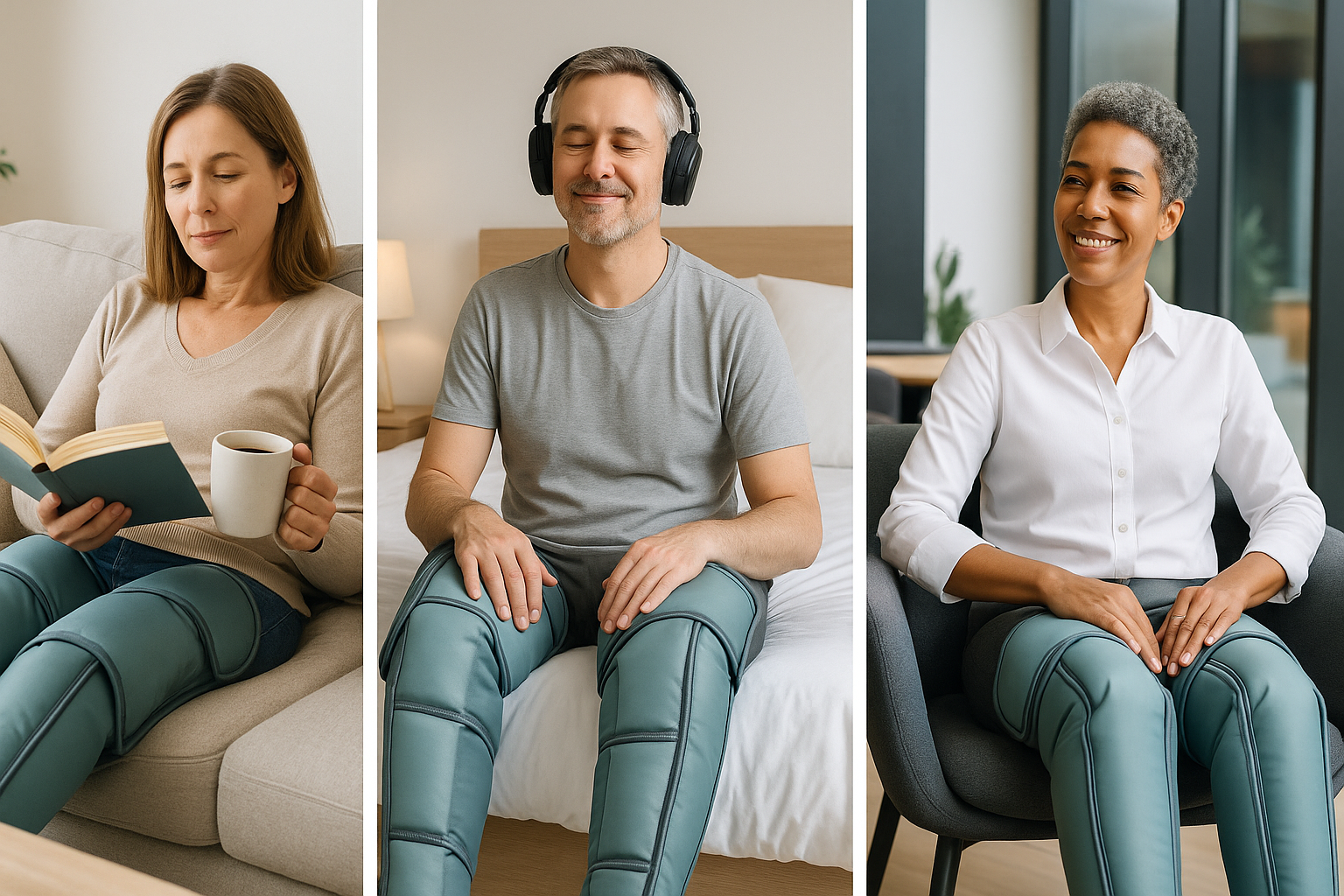
Understanding Air Compression and Pneumatic Compression Therapy
What Is Air Compression Therapy in Fitness Recovery?
Air compression therapy works by wrapping limbs in inflatable sleeves or boots that pump up in a pattern similar to how our muscles naturally contract when we move around. The whole point is to boost circulation and help drain fluids from the lymphatic system too, which cuts down on swelling after intense workouts. People who have tried this often find their legs and arms feel lighter faster compared to just sitting still recovering. When those inflatable wraps squeeze, they actually push more blood through tired muscles, getting fresh oxygen and nutrients where they're needed most. This gives athletes an edge over regular resting because the body isn't just waiting for recovery, it's actively working at it during those recovery periods between training sessions.
Mechanisms of Pneumatic Compression Therapy for Muscle Repair
Pneumatic therapy works by sending pressure waves through the body along the veins and lymph channels, beginning in the hands and feet and working their way up towards the torso. These pressure pulses help move stuff like lactic acid away from muscles and back to the heart where it gets filtered out. According to research published in the Journal of Sports Medicine last year, this method can boost blood flow with oxygen by about 40 percent when compared to just sitting still. What's more, the constant cycle of inflating and then letting air out actually helps bring down swelling between cells. This creates better conditions for healing damaged tissues without cutting off normal blood circulation throughout the body.
Dynamic Air Compression vs. Static Compression Methods
Air compression systems that work dynamically rely on programmed cycles to mimic what happens naturally when muscles pump during exercise, going back and forth between inflating and deflating. Static approaches like regular compression clothing just keep applying the same amount of pressure all the time, something that might actually cut down on how good circulation gets at its best moments. Studies indicate that people recover about 28 percent faster with dynamic compression compared to these static options because they help push out metabolic waste while stopping blood from collecting in certain areas. The fact that these dynamic systems can focus on particular muscles and adjust how strong the pressure feels is why so many pros in sports gravitate toward them for their training routines.
Boosting Blood Circulation to Accelerate Muscle Recovery
How Improved Blood Flow Enhances Oxygen Delivery and Reduces Fatigue
Leg massagers that use air compression work by creating a pumping action through rhythmic squeezing motions. According to research published in the Journal of Sports Medicine back in 2023, this kind of massage actually boosts blood flow carrying oxygen to tired muscles by around 18 percent when compared to just resting without any intervention. The improved blood circulation helps get rid of lactic acid much quicker too about 35% faster than those fancy static compression wraps people wear sometimes, which means muscle fatigue goes away sooner. Most good quality models operate between 20 and 60 mmHg pressure levels, mimicking what happens naturally during light exercise movements. This helps keep nutrients flowing to where they're needed while also helping flush out waste products from the body over time.
Scientific Evidence on Air Compression and Circulatory Benefits
Looking at 27 different clinical studies together shows that when athletes use pneumatic compression devices, their venous return actually goes up between around 22% to maybe even 41% compared with just resting normally. Some interesting results came from testing on cyclists too. About three out of four riders who spent 15 minutes with air compression after training had nearly double the blood flow in their femoral arteries compared to those who didn't use it. Why does this happen? Well, these compression devices work in patterns similar to what massage therapists do manually for lymphatic drainage. This helps boost how well the cardiovascular system works while the body is recovering from exercise.
Case Study: Measurable Improvements in Blood Flow Post-Treatment
In a 12-week NCAA basketball program, athletes using air compression recovery boots achieved consistent gains:
| Metric | Improvement | Measurement Method |
|---|---|---|
| Calf blood flow | +39% | Doppler ultrasound |
| Perceived soreness | -52% | Visual Analog Scale (VAS) |
| Return-to-play time | -28% | Training logs |
These results were maintained throughout the competitive season with no adverse effects, confirming the sustainability of improved circulation through regular use.
Reducing Delayed Onset Muscle Soreness (DOMS) and Inflammation
How Air Compression Helps Reduce Post-Exercise Inflammation
When someone works out hard, their muscles get inflamed from all that stress. Air compression therapy actually helps reduce this inflammation because it gets more blood flowing to those tired muscles. The pressure applied during these sessions speeds up the body's natural process of getting rid of lactic acid and other stuff that causes swelling after workouts. A study published last year found that people who used air compression saw about a third less inflammation markers in their blood compared to folks who just rested normally. Plus, when oxygen keeps coming to the damaged areas, it fights off the bad effects of tiny muscle tears much quicker. That means soreness goes away faster for anyone looking to bounce back between training sessions.
Preventing Swelling and Speeding Up Recovery After Intense Workouts
Air compression systems that work dynamically help reduce swelling after workouts by applying pressure that gradually builds up, stopping fluids from collecting between tissue layers. Athletes who use these along with regular cooldown exercises tend to bounce back faster, cutting down recovery time by about 30 percent following intense training sessions. The way these devices inflate in sequence works better than just wearing static compression gear. Most people report feeling less sore around 2.5 points lower on pain scales within two days after tough workouts, according to various studies in sports medicine journals.
Do All Athletes Benefit Equally? Examining Variability in Response
In a 2022 study, around 8 out of 10 recreational athletes reported less DOMS after treatment, though results definitely varied from person to person. Those who regularly lift weights tended to get about 19% better inflammation relief compared to endurance athletes. This probably has something to do with how their muscles are built differently, especially when it comes to fast twitch fibers and blood vessel networks. But folks with existing circulation issues didn't really see much improvement, which is why customization matters so much here. For best results, most people find that spending about 20 minutes at pressures between 30 and 50 mmHg works well, though adjustments based on weight and exercise type can make all the difference.
Supporting Lymphatic Drainage and Toxin Removal
Our lymphatic system plays a really important role in getting rid of metabolic waste and helping boost immunity when we're recovering from illness or injury. What's interesting is how different it is compared to our blood circulation system. While blood gets pushed around by the heart, lymph fluid moves through the body mainly because muscles contract and there's pressure applied from outside sources. That's why those air compression devices for legs work so well for athletes looking to speed up their recovery process. These machines basically mimic what happens naturally but do it faster, helping flush out toxins and bring down that annoying swelling that often follows hard workouts at the gym.
The Role of the Lymphatic System in Exercise Recovery
When someone pushes through an intense workout session, their body starts creating all sorts of metabolic waste products including things like lactic acid buildup and bits of broken down cells. The body's lymphatic system kicks into gear, carrying away this garbage to be filtered out at the lymph nodes. At the same time, it sends along immune cells to help fix any damage done to muscles and tissues during the workout. Studies show that blood flow through the lymphatic system actually triples during exercise according to research published in the Journal of Applied Physiology back in 2022. But here's the catch many people don't realize: after working out, this flow tends to slow way down again, which is why so many athletes experience soreness and swelling in their muscles for days following a tough training session.
Stimulating Lymphatic Flow with Dynamic Air Compression
The pressure waves created by air compression equipment work similarly to how muscles contract naturally, pushing lymphatic fluid in specific directions toward where it needs to drain. A study published in Clinical Biomechanics last year showed that this kind of active compression boosts lymphatic flow by about 58 percent over just letting the body recover on its own. Athletes who push themselves hard during long workouts or intense HIIT sessions tend to benefit most from this treatment since their bodies accumulate toxins at peak levels after such exertion.
Enhancing Immune Function and Metabolic Waste Clearance
When it comes to moving lymph fluid through the body, air compression devices really make a difference in flushing out those pesky cytokines and other stuff that causes inflammation after working out. Recent research published in Exercise Immunology Review back in 2024 found something interesting too. Athletes who used these pneumatic compression systems saw their levels of fatigue markers drop about 40% quicker than usual. The benefits don't stop there either. Better lymph flow means white blood cells get distributed more evenly throughout the body, which actually boosts how well our bodies handle all that oxidative stress that comes from intense exercise sessions.
Key Features:
- Sequential pressure patterns aligned with lymphatic pathways
- Adjustable intensity settings for targeted detoxification
- FDA-cleared compression waveforms validated in peer-reviewed studies
This integration of biomechanics and recovery science positions air compression as a reliable, non-invasive alternative to manual lymphatic drainage techniques.
Integrating Air Compression into Post-Workout Recovery Routines
Best Practices for Using Air Compression Leg Massagers After Exercise
To get the most out of air compression therapy, it's best to start sessions within half an hour after working out when the body is still warm. Run through 15 to 20 minute cycles using moderate pressure levels around 40 to 60 mmHg. The device should work its way up from the ankles toward the calves and thighs in sequence. Timing matters because our bodies naturally flush out waste products right after exercise. Combine this with drinking plenty of water and doing some gentle stretches afterward, and recovery gets a real boost as fluids circulate better and nutrients reach tired muscles faster than they would otherwise.
Air Compression vs. Other Recovery Methods: Ice Baths, Massage, and More
Ice baths can cut down inflammation quite a bit actually about 22% according to some research from the Journal of Sports Science back in 2023 but there's a catch too. They might slow down blood flow for a little while which could mean nutrients take longer to get where they need to go. Pneumatic compression devices work differently though. These gadgets give similar results when it comes to fighting inflammation yet they help keep the blood moving properly instead of stopping it up. When we look at regular massages done by hand, well let's face it the quality really depends on who's doing the job. With air compression systems, everyone gets pretty much the same amount of pressure applied evenly over all those muscles. Some studies published last year showed people using these machines experienced around 31 percent less soreness after workouts compared to folks who just stretched their legs out post exercise.
Trends in Professional Sports: Adoption of Pneumatic Compression Technology
Recent surveys among athletic trainers from 2024 show that around 78 percent of NBA and NFL franchises have started using air compression tech as part of their standard recovery routines. Teams are seeing results too, with players returning to action about 19% quicker when they wear those pneumatic compression sleeves after games. What makes this tech so popular? Well, it works both ways really. Some teams install big versions right in their locker rooms while others prefer smaller portable models that travel well with rosters on the road. Either way, these systems have become pretty much essential equipment across top level sports training facilities nowadays.
User Data Insights: Real-World Reduction in Recovery Time
Researchers looked at 800 weekend runners over six months and discovered something interesting about air compression therapy. Those who used it regularly saw their recovery times drop dramatically, going from around 48 hours down to just 34. Not bad for something that doesn't require special skills or equipment. The participants weren't just numbers on paper either. Many said they felt significantly less sore when pushing through those tough long runs, with about two thirds reporting noticeable differences in their muscle pain levels. This matches what we see in gyms across the country where roughly 89 out of every 100 people stick with this type of treatment. Why? Because it's easy to fit into busy schedules and actually works at cutting down that nagging post-workout fatigue most athletes struggle with.