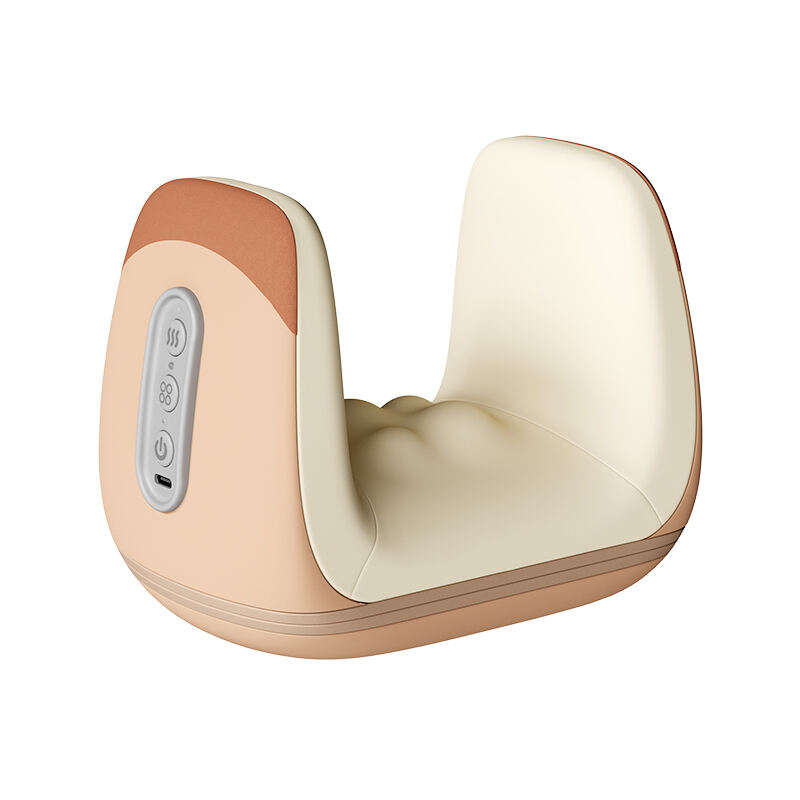
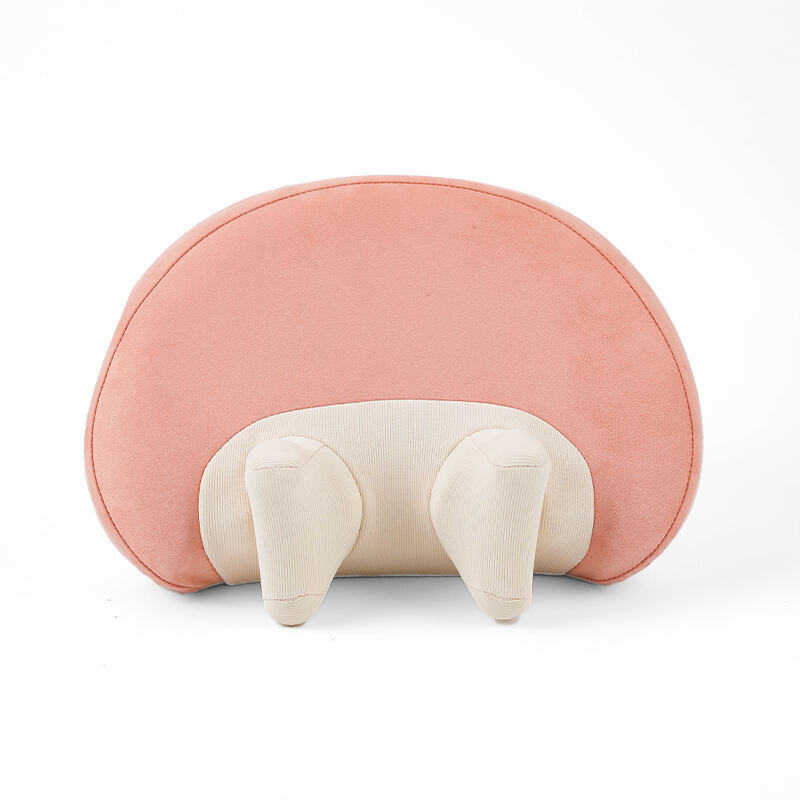
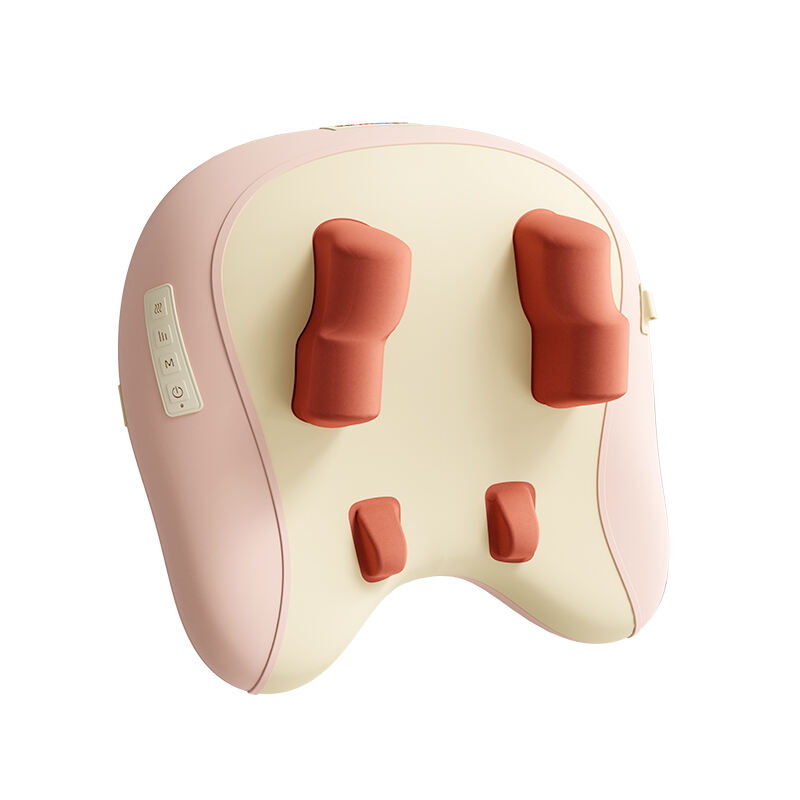
Komprese terapeutická zařízení fungují tak, že postupně aplikují tlak vzduchu prostřednictvím nastavitelných obalů na nohy, o kterých všichni víme. Komory uvnitř těchto obalů se nafukují jedna po druhé, počínaje kotníky a směrem vzhůru k stehenům, čímž vzniká tzv. efekt „dojení“, podobný tomu, jak se naše lýtkové svaly přirozeně stahují při běžném chůzi. Tento mechanický účinek pomáhá protlačit starou krev zpět k srdci i přes gravitační sílu, která ji táhne dolů – což je velmi důležité, protože dlouhé sezení může snížit aktivitu svalové pumpy až o dvě třetiny. Existuje i další výhoda – zařízení skutečně zlepšuje cirkulaci až na úrovni kapilár, kde malé cévy potřebují dodatečnou péči. Většina zařízení pracuje v rozsahu tlaku mezi 30 a 50 milimetry rtuti, což je dostatečné na řešení problémů s vysokým žilním tlakem, ale ne příliš silné, aby blokovalo přítok čerstvé krve do oblasti tepnami.
Výzkum ukazuje, že lidé, kteří celý den sedí, často zažívají skutečné fyzické přínosy kompresní terapie vzduchem. Pokud se podíváme na dobou naplnění kapilár, což je vlastně rychlost, jakou se krev vrací do tkání po uvolnění tlaku, většina lidí pozoruje zlepšení o 25 až 40 procent při pravidelné léčbě. To znamená, že jejich tělo dokáže mnohem rychleji dopravit krev zpět do postižených oblastí než dříve. Studie využívající technologii blízké infračervené záření rovněž zjistily zvýšení přísunu kyslíku do svalové tkáně během těchto sezení o přibližně 15 %, čímž pomáhají bojovat s nedostatkem kyslíku, který se hromadí při dlouhodobém sedění. U zaměstnanců pracujících v kancelářích konkrétně ultrazvuky ukázaly, že otoky nohou klesají zhruba o 20 až 35 % již po třech týdnech používání přístroje po 20 minut denně. Všechny tyto účinky řeší hlavní problémy způsobené nadměrným seděním: špatnou cirkulaci krve, hromadění odpadních látek ve svalech a nadbytek tekutiny uvězněné mezi tkáněmi. Zatímco atleti mohou používat podobné metody pro rychlé zotavení, v kancelářském prostředí je nejdůležitější poskytovat mírnou, ale trvalou podporu po celou pracovní dobu, aby se postupně zabránilo vzniku problémů jako jsou varixy.
Výzkum z časopisu Journal of Occupational Health z roku 2023 ukázal zajímavé výsledky, když kancelářští pracovníci používali tyto pneumatické maséry pro nohy přibližně dvacet minut denně. Zjistili snížení únavy dolní části těla průměrně o 32 %. Po měsíci se návrat krve zpět k srdci zvýšil téměř o 17 %, zatímco příznaky otoků lýtek klesly o téměř čtvrtinu. Co je však opravdu důležité? Lidé měli o 28 % méně případů, kdy během náročných odpoledních hodin na pracovišti vypluli. To znamená, že tyto přístroje pomáhají více než jen uvolnit nohy, což je obzvláště důležité pro práci vyžadující trvalou duševní koncentraci. Rozdíl mezi běžným seděním a masáží spočívá v působení tlaku vzduchu. Místo prostého odpočinku masér vytváří čerpací efekt různými úrovněmi tlaku, který napomáhá odstraňování například hromadící se kyseliny mléčné ve svalech.
U zaměstnanců omezených na svých pracovních stanicích poskytuje vzduchová komprese lepší funkční výsledky ve srovnání s běžnými opatřeními proti únavě:
Zejména u pracovních pozic s méně než 30 minutami plánovaného volna byla dodržovací praxe kompresních protokolů 2,7× vyšší ve srovnání s protahovacími rutinami ( Čtvrtletník pracovního lékařství , 2023). Díky provozu na sedě také eliminuje opouštění pracovní stanice – což je kritické v prostředích citlivých na bezpečnost, jako jsou dispečinková centra nebo řídící místnosti výroby.
Komprese prokázala skutečné benefity pro lidi, jejichž práce spočívá v dlouhodobém sezení nebo stání bez většího pohybu. Zdravotní sestry a další zaměstnanci ve zdravotnictví, kteří nosí nafukovací kompresní rukávy na nohou během aktualizace záznamů pacientů, hlásí pocit unavení nohou snížený přibližně o 28 % po plných osmihodinových směnách. Zaměstnanci skladů pracující na nakládacích rampách zjistili, že otoky klesají přibližně o 19 % rychleji během přestávek ve srovnání s pasivním odpočinkem. Učitelé, kteří neustále přecházejí mezi stáním na přední straně třídy a sezením u svých stolů, si všimli lepšího oběhu krve ve svých nohou a chodidlech do tří týdnů po každodenních 15minutových sezeních. Celkově to ukazuje, že komprese pomáhá zaměstnancům vydržet déle ve své práci a snižuje zátěž malých cév, ke které dochází, když někdo dlouho zůstává v klidu.
Jednou z hlavních překážek při nasazování těchto technologií je zjistit, u kterých existuje skutečná lékařská podpora oproti těm, které jsou jen tak prodávány jako něco jiného. Sekvenční kompresní zařízení lékařské třídy, neboli SCD, nabízí konkrétní nastavení tlaku, obvykle mezi 40 až 80 mmHg, a využívají vědecky ověřené vzory nafukování. Domácí masážní přístroje pro nohy naopak typicky nemají mechanismy pro konzistentní kontrolu tlaku, nebyly podrobeny řádným testům odolnosti a vzácně mají nějaký výzkum potvrzující jejich účinnost. Klinické studie ukazují, že SCD schválená FDA skutečně pomáhají snižovat otoky u pacientů, zatímco mnohé verze bez předpisu jednoduše nespolehlivě fungují nebo neposkytují stejné terapeutické benefity. Pro společnosti, které se starají o zaměstnance trávící celý den seděním, dává mnohem větší smysl investovat do vybavení s dokumentovanými výsledky, přizpůsobitelnými nastaveními pro různé tělesné typy a oficiálním schválením pro zlepšení oběhu, než šetřit na ceně.
 Aktuální novinky
2025-08-30
2025-07-28
2025-06-25
2025-03-24
2025-03-24
2025-03-24

Jamooz — Inovace v technice pro každodenní dobrobyt.
Jamooz je výrobce s důrazem na design masažních zařízení, domácích potřeb a automobilové elektroniky. Nabízíme kompletní OEM/ODM řešení - od tržních studií po výrobu - specializujeme se na oblasti wellness, krásy, domácích přístrojů, venkovského zdraví a chytrého rodičovství.
2. patro, č. 19, průmyslová zóna Siming, východní oblast Huan, okres Tong'an, město Xiamen
Copyright © 2025 Jamooz (Xiamen) Technology Co., Ltd. Zásady ochrany soukromí

 EN
EN