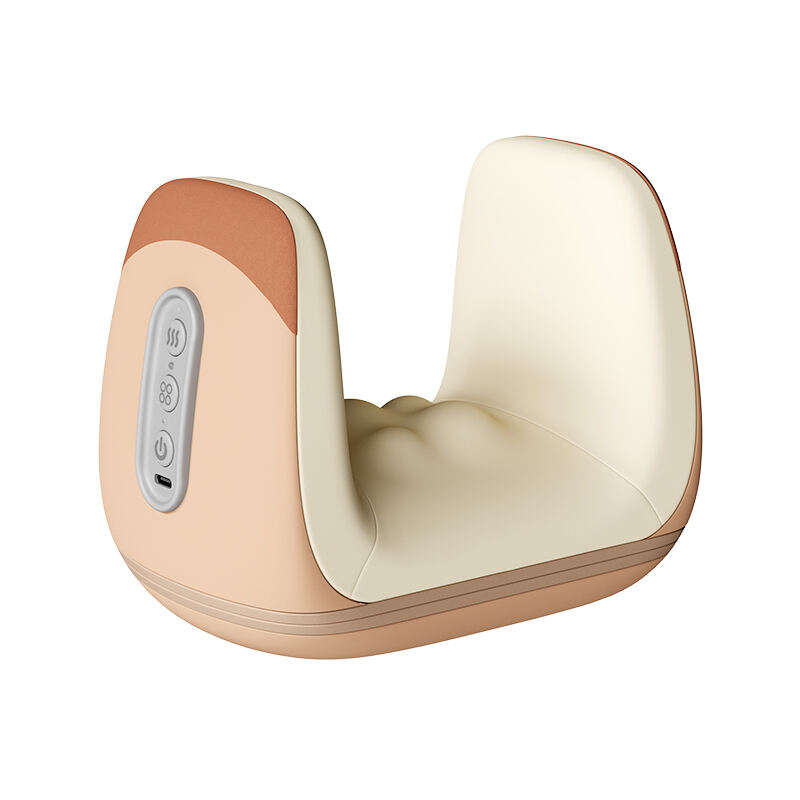
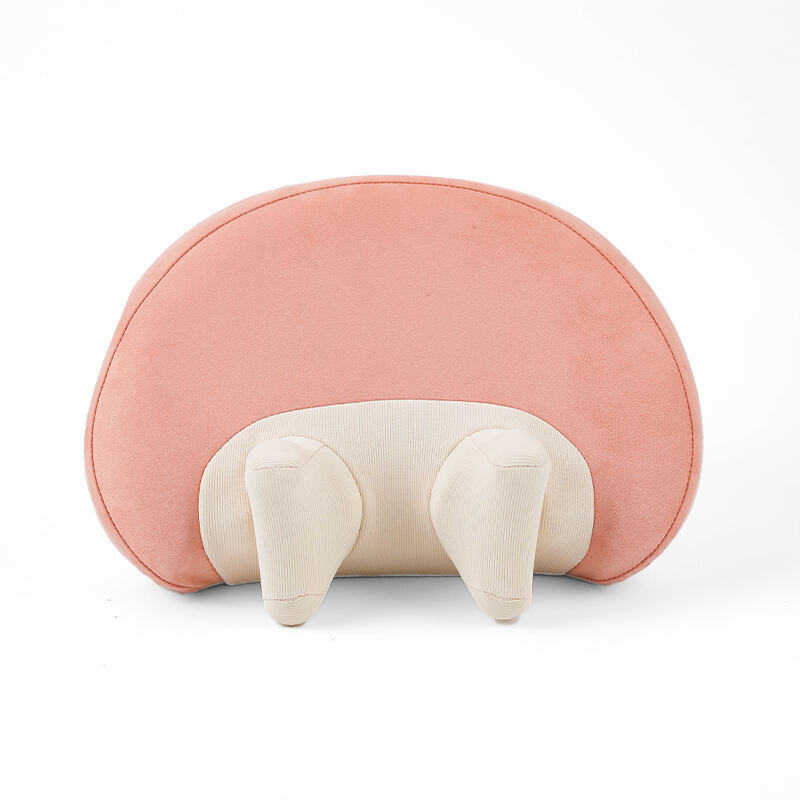
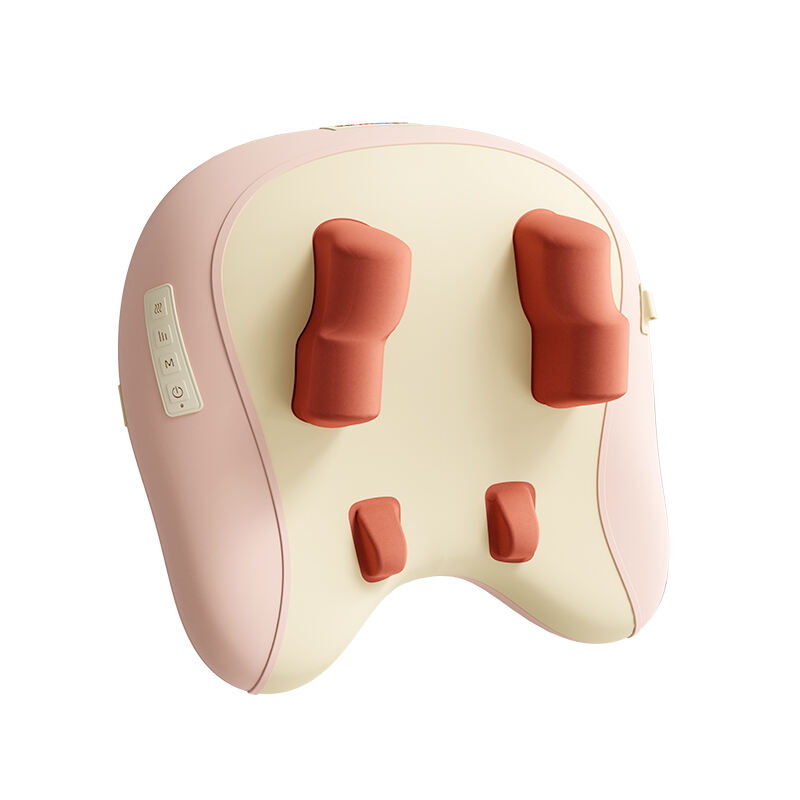
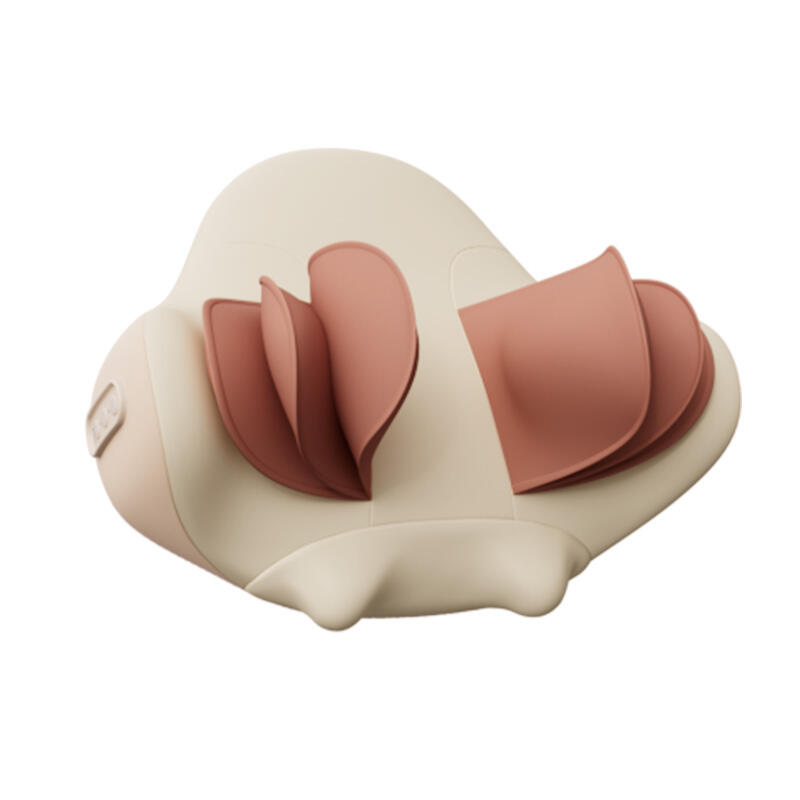
Urządzenia do terapii kompresyjnej działają poprzez naprzemienne stosowanie ciśnienia powietrza za pośrednictwem regulowanych opasek na nogi, znanych wszystkim. Komory wewnątrz tych opasek napompowywane są jedna po drugiej, począwszy od kostek a kończąc na udach, tworząc tzw. efekt "dojenia", podobny do naturalnego skurczu mięśni łydki podczas chodzenia. Mechanicznie rzecz biorąc, to właśnie pomaga przepchnąć stojącą krew z powrotem w stronę serca, mimo że grawitacja ciągnie ją w dół – co jest szczególnie ważne, ponieważ długotrwałe siedzenie może zmniejszyć aktywność pompy mięśniowej o około dwie trzecie. Istnieje również inna korzyść – urządzenie faktycznie poprawia krążenie na poziomie naczynek włosowatych, gdzie drobne naczynia krwionośne wymagają dodatkowej uwagi. Większość urządzeń działa w zakresie ciśnienia pomiędzy 30 a 50 milimetrów słupa rtęci, co jest wystarczające do radzenia sobie z wysokim ciśnieniem żylnym, ale nie tak silne, by blokować dopływ świeżej krwi do obszaru z tętnic.
Badania wskazują, że osoby siedzące cały dzień często odczuwają rzeczywiste korzyści fizyczne z terapii kompresji powietrznej. Przyglądając się czasowi uzupełniania naczynek włosowatych, czyli temu, jak szybko krew wraca do tkanek po zwolnieniu ciśnienia, większość ludzi odnotowuje poprawę na poziomie około 25–40 procent przy regularnym leczeniu. Oznacza to, że ich organizm może znacznie szybciej przywracać przepływ krwi do dotkniętych obszarów niż wcześniej. Badania wykorzystujące technologię bliskiej podczerwieni wykazały również około 15-procentowy wzrost ilości tlenu docierającego do tkanki mięśniowej podczas tych sesji, co pomaga w walce z niedoborem tlenu gromadzącym się przy długim siedzeniu. W przypadku pracowników biurowych badania ultrasonograficzne wykazały, że obrzęki nóg zmniejszają się o około 20–35 procent już po trzech tygodniach stosowania urządzenia przez 20 minut dziennie. Wszystkie te efekty eliminują główne problemy spowodowane zbyt długim siedzeniem: słabe przepływy krwi, gromadzenie się produktów przemiany materii w mięśniach oraz nadmiar płynu uwięzionego między tkankami. Choć sportowcy mogą stosować podobne techniki w celu szybkiego regenerowania, najważniejsze w środowisku biurowym jest zapewnienie delikatnego, ale ciągłego wsparcia w ciągu dnia roboczego, aby zapobiec powstawaniu takich schorzeń jak żylaki.
Badania opublikowane w Journal of Occupational Health w 2023 roku wykazały interesujące wyniki, gdy pracownicy biurowi korzystali z pneumatycznych masażerów do nóg przez około dwadzieścia minut dziennie. Stwierdzono, że zmęczenie dolnych części ciała spadło średnio o około 32%. Po miesiącu przepływu krwi z powrotem do serca wzrósł o prawie 17 procent, podczas gdy objawy obrzęku łydek zmniejszyły się o blisko jedną czwartą. Co szczególnie godne uwagi? Ludzie mieli o 28% mniej przypadków odłączenia się (zaniku koncentracji) w trudnych porach popołudniowych podczas pracy. Oznacza to, że te urządzenia pomagają nie tylko w poprawie samopoczucia nóg, co jest szczególnie ważne w zawodach wymagających ciągłej skupienia umysłowego. Różnica między zwykłym siedzeniem a masowaniem polega na działaniu ciśnienia powietrza. Zamiast po prostu leżeć nieruchomo, masażer tworzy efekt pompowania poprzez różne poziomy ciśnienia, który pomaga pozbyć się substancji takich jak kwas mlekowy gromadzący się w mięśniach.
Dla pracowników ograniczonych do stanowisk pracy, kompresja pneumatyczna zapewnia lepsze wyniki funkcjonalne niż tradycyjne środki przeciw zmęczeniu:
Warto zaznaczyć, że w przypadku stanowisk z mniej niż 30 minutami zaplanowanego czasu przerwy stwierdzono 2,7-krotnie wyższą zgodność z protokołami kompresji w porównaniu z rutyną rozciągania ( Occupational Medicine Quarterly , 2023). Działanie w pozycji siedzącej eliminuje również konieczność opuszczania stanowiska pracy — co jest kluczowe w środowiskach wymagających wysokiego poziomu bezpieczeństwa, takich jak centra dyspozytorskie czy pomieszczenia kontrolne w produkcji.
Terapia uciskowa wykazała rzeczywiste korzyści dla osób, których praca wiąże się z długotrwałym siedzeniem lub staniem bez większego ruchu. Pracownicy opieki zdrowotnej, tacy jak pielęgniarki, którzy noszą specjalne napowietrzane rękawy na nogi podczas aktualizowania dokumentacji pacjentów, zgłaszają odczuwanie zmęczenia nóg o około 28% mniejsze po pełnych ośmiogodzinnych zmianach. Pracownicy magazynowi zatrudnieni na rampach załadunkowych zauważają, że obrzęki ustępują o około 19% szybciej w czasie przerw, w porównaniu do zwykłego biernego odpoczynku. Nauczyciele, którzy ciągle przestawiają się między staniem z przodu klasy a siedzeniem przy swoich biurkach, odnotowują lepszą cyrkulację krwi w stopach i nogach już po trzech tygodniach codziennych 15-minutowych sesji. Ogólnie rzecz biorąc, wskazuje to, że terapia uciskowa pomaga pracownikom dłużej wytrzymywać w pracy oraz zmniejsza obciążenie drobnych naczyń krwionośnych wynikające ze zbyt długiego unieruchomienia.
Jedną z głównych przeszkód w wdrażaniu tych technologii jest określenie, które z nich są faktycznie oparte na medycznych dowodach, a które są tylko sprzedawane jako coś innego. Medyczne urządzenia do sekwencyjnej kompresji kończyn dolnych (SCD) oferują określone ustawienia ciśnienia, zazwyczaj w zakresie 40–80 mmHg, oraz stosują naukowo przetestowane wzorce napompowywania. Tymczasem masażery rynkowe do nóg zwykle nie posiadają spójnych mechanizmów kontroli ciśnienia, nie zostały poddane odpowiednim testom trwałości i rzadko wspiera je jakakolwiek badania potwierdzające ich skuteczność. Badania kliniczne wykazują, że zaakceptowane przez FDA urządzenia SCD rzeczywiście pomagają zmniejszyć obrzęki u pacjentów, podczas gdy wiele wersji dostępnym w sprzedaży detalicznej po prostu nie działa wiarygodnie ani nie zapewnia takich samych korzyści terapeutycznych. Dla firm troszczących się o pracowników spędzających cały dzień na siedzeniu, inwestycja w sprzęt z udokumentowanymi wynikami, dostosowywalnymi ustawieniami dla różnych budów ciała oraz oficjalną aprobatą na poprawę krążenia ma znacznie większy sens niż wybór tańszych rozwiązań.
 Gorące wiadomości
2025-08-30
2025-07-28
2025-06-25
2025-03-24
2025-03-24
2025-03-24

Jamooz — Innowacyjne technologie dobrostanu na co dzień.
Jamooz to producent skupiony na projektach, specjalizujący się w urządzeniach masażowych, podstawowych artykułach domowych i elektronice samochodowej. Ofiarowujemy kompleksowe rozwiązania OEM/ODM - od analizy rynku po produkcję - specjalizując się w produktach promujących zdrowie, urodę, sprzętach domowych, zdrowiu na zewnątrz oraz inteligentnym rodzicielstwie.
2. piętro, nr 19, Park Przemysłowy Siming, rejon Wschodniego Morza w Huan, dzielnica Tong'an, miasto Xiamen
Prawa autorskie © 2025 Jamooz (Xiamen) Technology Co., Ltd. Polityka prywatności

 EN
EN